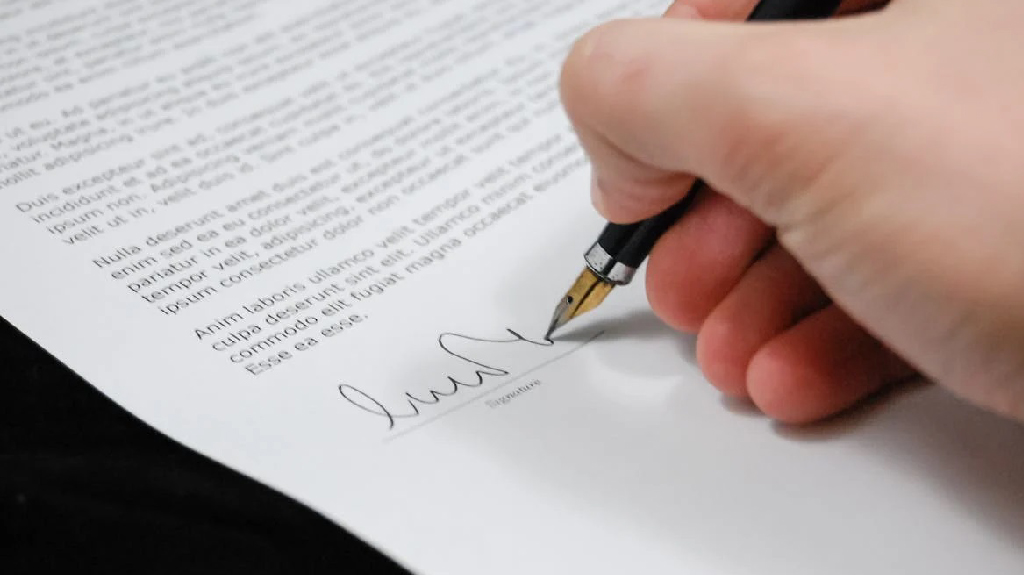
Apostille and document legalisation is the process of formally certifying documents so they are recognised for official use in another country. This is required where overseas authorities need confirmation that a UK-issued document is genuine. Depending on the destination, you may need to legalize document content through an apostille, full embassy legalisation, or a combination of both. Collectively, this process is often referred to as apostille and legalisation.
In practical terms, businesses and individuals may need to legalise documents such as commercial paperwork, company records, powers of attorney, or personal certificates. Many customers simply want to get document legalised or get my document legalised without navigating complex overseas requirements. A professional document legalisation services provider or legalisation service manages the checks, certifications, and onward processing so documents are correctly legalised and apostilled. CustomsCloud supports this by providing a clear, structured way to manage document legalisation services, helping customers get your document legalised accurately and without unnecessary delay.
Document legalisation in the UK is the process used to confirm that a UK-issued document is genuine so it can be accepted by an overseas authority. The exact steps depend on the destination country, but the process typically involves verification followed by apostille and legalisation where required. Some countries accept an apostille alone, while others require further embassy or consular checks.
In practice, individuals and businesses may need to legalise documents such as company records, contracts, certificates, or powers of attorney. A professional legalisation service manages this process from start to finish, including checking the document, submitting it to the correct authorities, and returning it ready for international use. CustomsCloud supports document legalisation services by providing a structured way to manage documents, track progress, and retain records, helping ensure paperwork is correctly legalised and apostilled without unnecessary complication or delay.
Documents are most often rejected by overseas authorities because they have not been prepared in the correct format or have followed the wrong legalisation route. This can happen when a document is submitted without the correct certification, when the destination country requires apostille and legalisation but only one step has been completed, or when the authority receiving the paperwork does not recognise how it has been legalised. In many cases, people believe they have managed to legalize document content correctly, only to find the document is not accepted once it reaches the overseas authority.
Other common issues arise when documents are outdated, incorrectly certified, or do not match the purpose for which they are being used. This can affect anyone trying to get document legalised for overseas business, employment, or personal matters. Using a professional legalisation service helps avoid these problems by ensuring documents are checked, submitted correctly, and returned fully legalised and apostilled where required. CustomsCloud supports document legalisation services by providing visibility over document status and records, reducing the risk of rejection when customers need to get my document legalised or get your document legalised for use abroad.
Use Cases (Trade, Legal, Commercial) & Why Use a Legalisation Specialist
Apostille and document legalisation is commonly required for trade, legal, and commercial activities where UK-issued documents must be accepted by overseas authorities. This includes company incorporation papers, contracts, powers of attorney, and regulatory filings used in international trade or legal proceedings. In these situations, organisations often need to legalise documents correctly so they are recognised without delay, whether that means applying an apostille alone or completing a fuller apostille and legalisation process depending on the destination country.
Because requirements vary widely, many businesses choose to use a legalisation service rather than attempting to legalize document paperwork themselves. A specialist ensures the correct route is followed, checks documents before submission, and returns them fully legalised and apostilled where required. This reduces the risk of rejection when companies need to get document legalised for commercial transactions or get your document legalised for legal or regulatory use. CustomsCloud supports document legalisation services by providing a structured way to manage documents, track progress, and retain records, helping customers get my document legalised efficiently and with confidence.
Typical Import and Export Documentation Requirements
This section provides general guidance on commonly required import and export documentation and does not constitute legal advice. Requirements may change, and no liability is accepted for errors or omissions.
Original Document: The original document is the item requiring authentication, such as a certificate, legal document, or official record. It forms the basis of the apostille or legalisation process and must meet the issuing authority’s acceptance criteria.
Certified or Notarised Copy: In some cases, a certified or notarised copy is required instead of the original document. This confirms the authenticity of the copy and allows it to be processed for apostille or further legalisation.
Authorisation or Covering Letter: An authorisation or covering letter may be required to confirm instructions, jurisdiction, or intended use of the document. This helps ensure the document is processed under the correct legalisation route.
Identification Documents: Identification documents, such as passport copies or company identification, may be required to verify the applicant or issuing party associated with the document being legalised.
Supporting Certificates or Exhibits: Certain documents must be accompanied by supporting certificates or attached exhibits, particularly where legal or corporate records are involved. These help confirm the document’s validity and context.
Additional Supporting Documentation: Depending on the document type and destination country, further paperwork may be required to complete the apostille or legalisation process.
Frequently Asked Questions – General Guidance
These FAQs provide general guidance only and do not constitute legal advice. Requirements may vary by shipment, location, and regulation.
What is an apostille and when do I need one? An apostille is an official certificate issued in the UK that confirms a document is genuine and can be recognised in another country that is part of the Hague Convention. You usually need an apostille when documents are being used overseas for trade, customs, legal, or commercial purposes. Systems like CustomsCloud help identify when apostille or further legalisation is required based on destination country and document type.
Which documents require apostille or legalisation for overseas use? Common documents include commercial invoices, certificates of origin, powers of attorney, company incorporation documents, and customs-related paperwork. Requirements vary by country and by how the document will be used. CustomsCloud helps businesses keep track of which documents require apostille or legalisation, reducing the risk of missing or incorrect submissions.
What is the difference between an apostille and embassy legalisation? An apostille is sufficient for countries that are members of the Hague Convention. For countries outside the convention, documents often require full legalisation, which may involve the Foreign Office and the relevant embassy or consulate. CustomsCloud supports this process by clearly identifying the correct legalisation route, avoiding unnecessary steps or rejected documents.
How long does apostille and document legalisation take in the UK? Timescales depend on the document type, the destination country, and whether an apostille or full embassy legalisation is required. Delays commonly occur when documents are incomplete or incorrectly prepared. By keeping documentation organised and consistent, CustomsCloud helps reduce avoidable delays in the legalisation process.
What are the most common reasons documents are rejected or delayed? Rejections usually occur due to unsigned documents, incorrect formats, missing supporting paperwork, or using the wrong legalisation process for the destination country. Poor document control is a frequent issue. CustomsCloud helps maintain document accuracy, version control, and audit trails, making it easier to correct issues quickly if queries arise.
Apostille & Document Legalisation Services – Contact Us
Certain documents must be formally authenticated before they can be accepted overseas. Our apostille and document legalisation services support businesses with preparing, checking, and submitting documents through the correct official channels to meet international recognition requirements. If you need assistance with document legalisation or wish to submit a request via a registered CustomsCloud account, contact our team on +44 208 754 9000 or email admin@customscloud.com
All quotations and estimates are indicative and may be adjusted based on final shipment details where applicable. Customers must hold an active, registered CustomsCloud account to submit requests and access services. It is the customer’s responsibility to ensure that all information provided is accurate, complete, and compliant with applicable regulations. Prices are reviewed periodically and may change without notice.
All services are provided in accordance with the British International Freight Association (BIFA) Standard Trading Conditions (latest edition), which are available upon request.”