Customs Folkestone Services at Folkestone Terminal and Eurotunnel (GBFOL)
How Customs Clearance Works at Folkestone Terminal and Eurotunnel
Customs clearance at Folkestone Terminal and Eurotunnel (GBFOL) operates within a GVMS-controlled, inventory-linked RoRo environment, where goods moving via the Channel Tunnel must be pre-cleared before arrival. This makes customs folkestone heavily dependent on accurate pre-lodged customs declarations and a valid Goods Movement Reference (GMR). Without a valid declaration and GMR, vehicles will not be permitted to board or pass through the terminal.
In practice, folkestone customs clearance requires close coordination between the customs declaration, GVMS submission, haulier details, and transport timing. Any mismatch in data can result in vehicles being stopped or turned back before departure. We manage customs folkestone clearance directly, ensuring declarations are accurate and aligned with GVMS requirements. We handle clearance at Folkestone Terminal with a focus on preventing border stops and maintaining smooth RoRo transit. CustomsCloud supports this by centralising declarations, GMR data, and audit records, giving full visibility and control over folkestone customs movements through Eurotunnel.
Types of Cargo Commonly Cleared at Folkestone Terminal / Eurotunnel (GBFOL)
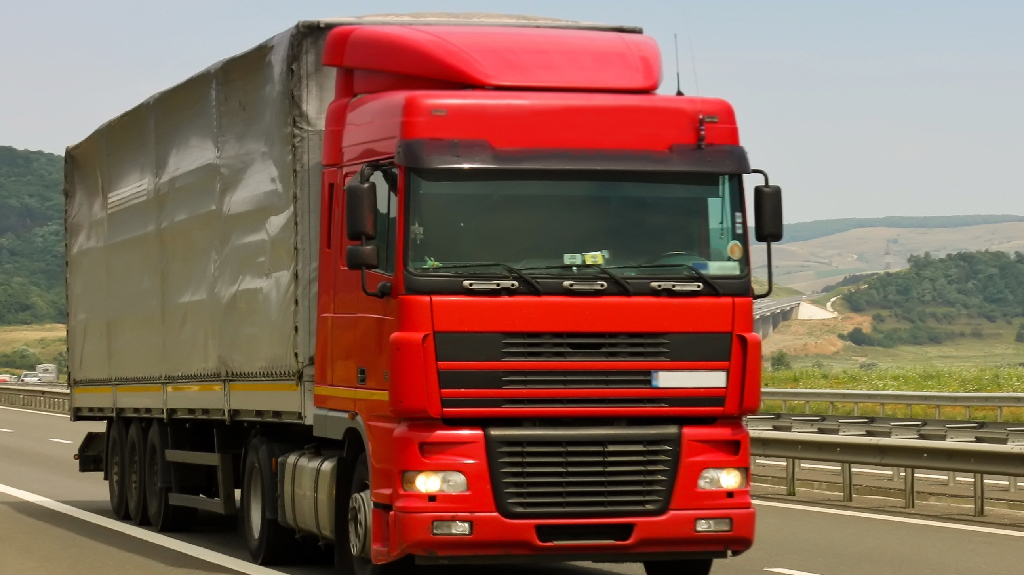
Folkestone Terminal / Eurotunnel is primarily used for high-volume RoRo road freight moving between the UK and the EU. Common cargo includes palletised commercial goods, manufacturing components, retail and wholesale stock, automotive parts, food and drink, and groupage consignments. These movements rely on fast turnaround and pre-lodged declarations, making reliable customs folkestone processes essential to keep vehicles moving without disruption.
We regularly manage folkestone customs clearance for repeat EU road freight flows where timing is critical and margins are tight. Because Eurotunnel operates under GVMS controls, accuracy in declarations, haulier details, and Goods Movement References is vital. We handle clearance at Folkestone Terminal with a focus on preventing border stops and delays. CustomsCloud supports this by centralising declarations, GMR data, and audit records, giving full visibility and control over customs folkestone movements and ensuring folkestone customs clearance is completed smoothly.
Border Delays and GVMS Risks at Folkestone and Eurotunnel
Border delays at Folkestone and Eurotunnel most commonly arise from GVMS errors or incomplete pre-lodged customs data. Vehicles cannot proceed through the terminal without a valid Goods Movement Reference, and any mismatch between the customs declaration, haulier details, or vehicle information can result in stops before boarding. In this environment, failures in customs folkestone processes can quickly disrupt tightly timed RoRo movements.
GVMS risks also increase where declarations are amended late, groupage loads are not correctly linked, or transit movements are not properly discharged. Even small errors can prevent clearance and delay vehicles at the border. We manage folkestone customs clearance directly, ensuring declarations and GMR data are aligned before arrival at the terminal. We handle movements through Folkestone Terminal with a focus on preventing GVMS rejections and border delays. CustomsCloud supports this by centralising declarations, GMR data, and audit records, giving full visibility and control over customs folkestone flows and reducing risk across folkestone customs movements.
Use Cases (EU Road Freight, Transit) & Why Use a Folkestone Customs Specialist
Folkestone Terminal / Eurotunnel is a critical gateway for EU road freight and transit movements between the UK and mainland Europe. Typical use cases include time-critical commercial imports and exports, groupage traffic, and transit movements moving under GVMS controls. These flows depend on precise pre-lodged declarations and valid GMRs, making dependable customs folkestone handling essential to keep vehicles moving without disruption.
We are the Folkestone customs specialist, managing clearance directly in a GVMS-controlled RoRo environment where accuracy and timing are critical. We coordinate declarations, transit movements, and GMR data to reduce border stops and prevent delays. We handle clearance through Folkestone Terminal with a focus on compliance, speed, and control. CustomsCloud underpins this work by centralising declarations and GMR records, giving full visibility over customs folkestone flows and ensuring folkestone customs processes support smooth EU road freight and transit movements.
Typical Import and Export Documentation Requirements
This section provides general guidance on commonly required import and export documentation and does not constitute legal advice. Requirements may change, and no liability is accepted for errors or omissions.
Commercial Invoice: The commercial invoice sets out the transaction details for goods moving via the Eurotunnel at Folkestone, including buyer, seller, goods description, value, currency, and incoterms. It provides the commercial context for accompanied and unaccompanied road freight using the Channel Tunnel route.
Packing List: A packing list details how goods are loaded within vehicles or trailers, including quantities, weights, dimensions, and contents. This supports identification of consignments moving through the Eurotunnel terminal environment.
Transport Documentation: Transport documentation confirms how the goods are being moved through the Channel Tunnel, linking the shipment to the road vehicle and shuttle crossing.
Vehicle and Trailer Details: Vehicle and trailer details identify the transporting unit, including registration numbers and trailer references. This information supports movement control through the Folkestone terminal.
Journey or Crossing Reference Information: Crossing reference information links the goods to a specific Eurotunnel shuttle movement. This helps align the cargo with the correct crossing and timing.
EORI Number: An EORI number identifies the trader within UK customs systems and is required for customs clearance activity associated with Eurotunnel movements.
Additional Supporting Documentation: Depending on the cargo and routing, further documentation may be required, such as compliance information, handling instructions, or supporting correspondence.
Frequently Asked Questions – General Guidance
These FAQs provide general guidance only and do not constitute legal advice. Requirements may vary by shipment, location, and regulation.
What type of freight is cleared through Folkestone Eurotunnel? Folkestone Eurotunnel is primarily used for roll-on roll-off (RoRo) road freight moving between the UK and continental Europe. Typical cargo includes retail goods, manufacturing components, automotive parts, food products, and consolidated commercial shipments. CustomsCloud helps ensure frequent and fast-moving Eurotunnel cargo is declared accurately.
How does customs clearance work at the Eurotunnel terminal? Customs clearance at Folkestone is tightly linked to vehicle movements through the Channel Tunnel. Declarations must be submitted in advance and correctly linked to the vehicle before arrival. Clearance decisions are issued before boarding. CustomsCloud helps align customs declarations with transport and movement data to support smooth Eurotunnel crossings.
What documents are required for customs clearance at Folkestone (GBFOL)? Standard documents include a commercial invoice, packing list, transport documents, and an import or export customs declaration. Additional documentation such as licences, origin evidence, or SPS paperwork may be required depending on the goods. CustomsCloud helps keep documentation consistent and ready ahead of arrival at the terminal.
Is GVMS and a GMR required at Folkestone Eurotunnel? Yes, Folkestone is a GVMS-enabled location, meaning a valid Goods Movement Reference (GMR) is required before a vehicle can travel. The GMR must correctly link all relevant customs declarations. CustomsCloud helps ensure declaration references are accurate and ready for GMR creation.
What are the most common causes of customs delays at Folkestone? Delays commonly occur due to missing or incorrect GMRs, mismatched declaration references, late submission of customs data, or incorrect commodity codes. Given the fast-paced nature of Eurotunnel operations, even small errors can prevent boarding. CustomsCloud helps reduce these risks through structured records and improved data accuracy.
Customs Folkestone – Contact Us
Folkestone Terminal is a primary entry and exit point for goods moving between the UK and continental Europe via the Channel Tunnel. Our customs clearance services at Eurotunnel support road freight movements by managing declarations and border processes required for vehicles passing through this controlled route. For support with a movement via Folkestone Terminal, or to submit a request through a registered CustomsCloud account, contact our team on +44 208 754 9000 or email admin@customscloud.com
All quotations and estimates are indicative and may be adjusted based on final shipment details where applicable. Customers must hold an active, registered CustomsCloud account to submit requests and access services. It is the customer’s responsibility to ensure that all information provided is accurate, complete, and compliant with applicable regulations. Prices are reviewed periodically and may change without notice.
All services are provided in accordance with the British International Freight Association (BIFA) Standard Trading Conditions (latest edition), which are available upon request.”