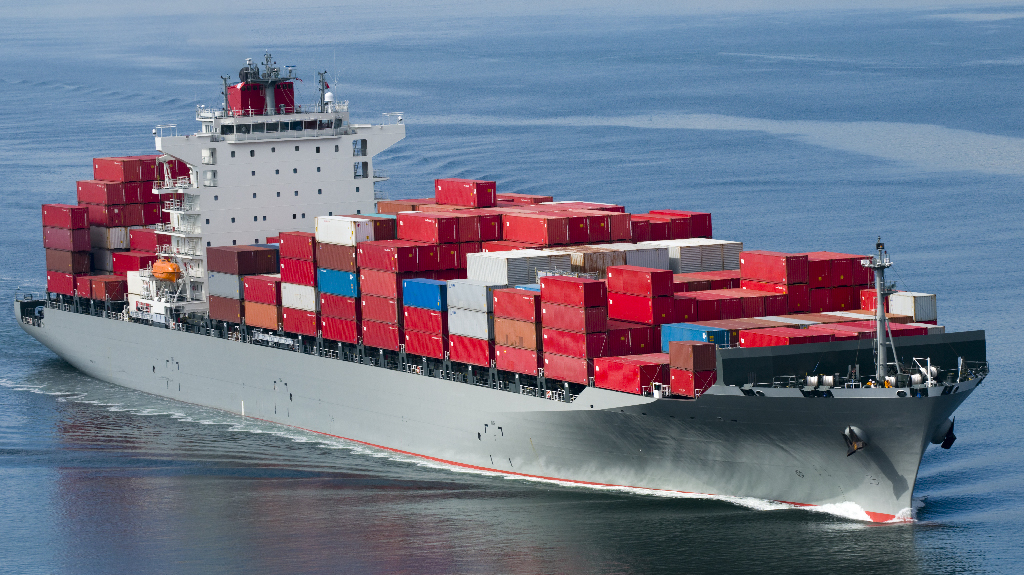
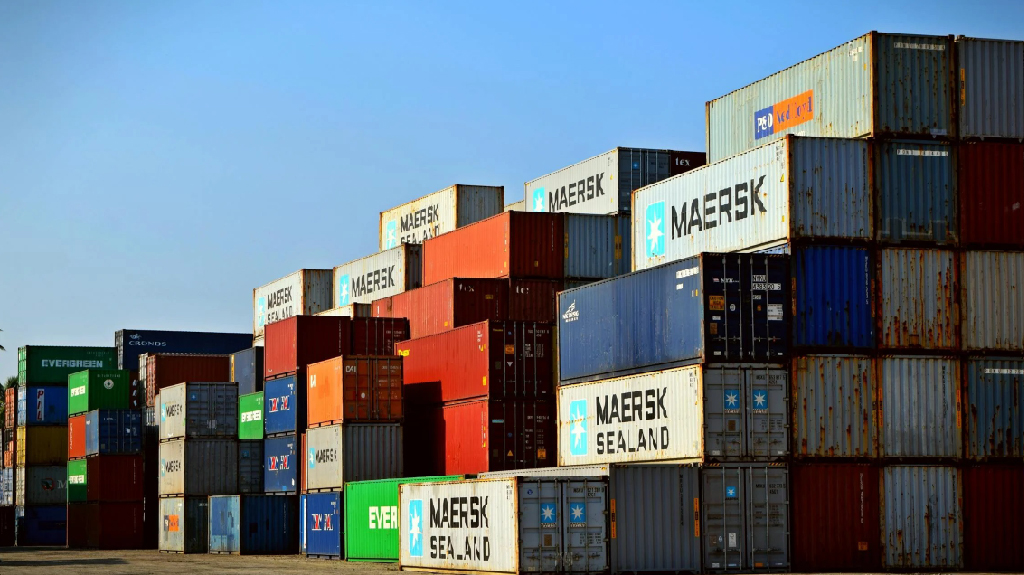
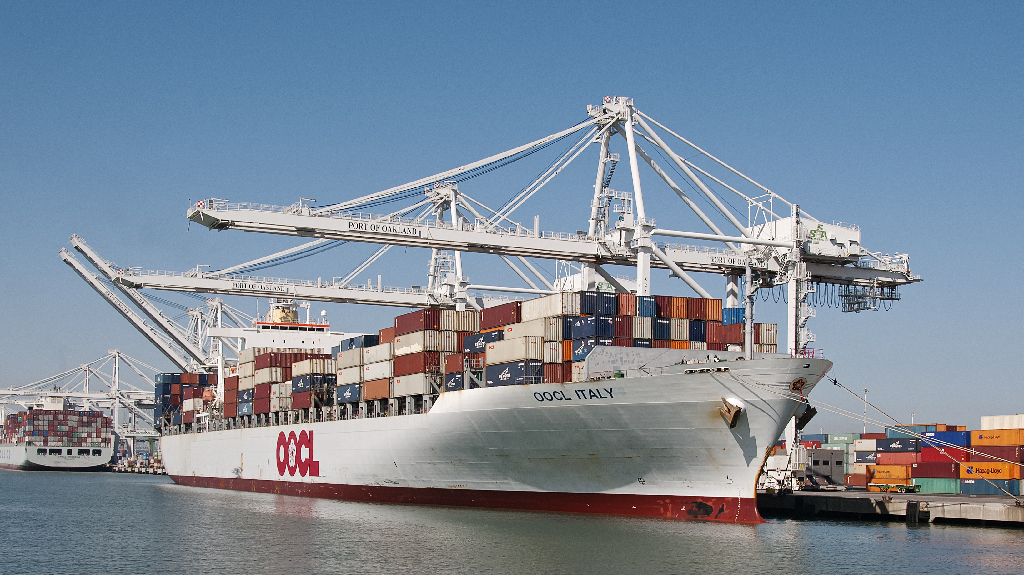
Sea freight customs clearance is the process of declaring goods to HMRC when they are imported into or exported from the UK by sea. It ensures cargo is legally cleared before it can be released from the port on arrival, or loaded for departure on export movements. The process relies on accurate shipment details, correct commodity codes, and complete supporting commercial paperwork to avoid delays and compliance issues.
In practical terms, the same core rules apply across UK ports, but the handling timelines and document cut-offs can vary depending on the port and the sailing schedule. Many importers will deal with felixstowe customs clearance or southampton customs clearance for containerised cargo, while certain routes may move through customs clearance tilbury. On exports, custom clearance of export cargo by sea focuses on getting the export declaration right and submitted on time so the shipment can meet vessel cut-off. CustomsCloud supports sea freight customs clearance by keeping declarations, documents, and audit history in one place, so you can stay compliant and keep shipments moving.
At UK seaports, customs clearance begins when shipment data and supporting documents are submitted to HMRC ahead of a vessel’s arrival or departure. This confirms that goods meet all legal requirements before they can be released for import or authorised for export. Sea freight customs clearance relies on accurate and timely information, including commodity codes, values, origin details, and transport references, so that customs checks can be completed without disrupting port or terminal operations.
How clearance is managed can also depend on whether a port operates as an inventory-linked or non-inventory-linked location. Inventory-linked ports, such as Port of Felixstowe and Port of Southampton, require customs declarations to be closely aligned with port inventory systems before cargo can be released, making accurate felixstowe customs clearance and southampton customs clearance essential. Non-inventory-linked ports, including Port of Tilbury, follow a different release process, reflected in customs clearance tilbury procedures. For exports, custom clearance of export cargo by sea focuses on submitting compliant export declarations in line with vessel cut-off times. CustomsCloud supports both models by centralising declarations, documents, and audit records, giving businesses clear visibility and control across UK ports.
Port delays most commonly arise when customs formalities are not completed in line with port and vessel timelines. Sea freight customs clearance depends on accurate declarations being submitted on time, with correct values, commodity codes, and supporting documents. Where information is late or inconsistent, cargo may be held at the terminal, increasing the risk of storage charges and demurrage while issues are resolved with HMRC or the port operator.
The risk profile can also differ between ports. At inventory-linked locations such as Port of Felixstowe and Port of Southampton, release is closely tied to port inventory systems, making felixstowe customs clearance and southampton customs clearance particularly sensitive to data mismatches. At non-inventory-linked ports, including Port of Tilbury, customs clearance tilbury follows a different release model, but late or incorrect submissions can still result in delays and additional costs. On exports, custom clearance of export cargo by sea must be completed in line with vessel cut-off times to avoid rolled cargo and unnecessary charges. CustomsCloud helps reduce these risks by keeping declarations, documents, and audit records aligned, giving businesses better control over clearance timelines and cost exposure.
Use Cases (FCL, LCL, Export Cargo) & Why Use a Sea Freight Customs Specialist
Sea freight is commonly used for full container loads (FCL), less-than-container loads (LCL), and export cargo, each presenting different customs requirements. Sea freight customs clearance for FCL shipments is typically more straightforward, while LCL cargo requires careful coordination to ensure individual consignments are correctly declared within consolidated loads. Export movements add further pressure, as documentation and declarations must be completed accurately and in line with vessel cut-off times.
These use cases are handled daily through major UK ports such as Port of Felixstowe, Port of Southampton, and Port of Tilbury, where felixstowe customs clearance, southampton customs clearance, and customs clearance tilbury support high volumes of import and export traffic. For outbound shipments, custom clearance of export cargo by sea focuses on submitting compliant export declarations on time to avoid rolled cargo or missed sailings. Using a sea freight customs specialist, supported by CustomsCloud, helps businesses manage these different shipment types with greater accuracy, reduced risk, and better control over clearance timelines.
Typical Import and Export Documentation Requirements
This section provides general guidance on commonly required import and export documentation and does not constitute legal advice. Requirements may change, and no liability is accepted for errors or omissions.
Commercial Invoice: For sea freight movements, the commercial invoice sets out the commercial terms of the shipment, including the seller, buyer, goods description, declared value, currency, and incoterms. It provides the core transaction data used during sea freight customs clearance, with commodity codes typically shown on the invoice or referenced alongside the packing information.
Packing List: A packing list explains how goods are loaded within containers or cargo units, including package counts, weights, dimensions, and marks. This information supports sea freight customs clearance by allowing shipment contents to be reconciled against port and customs records.
Bill of Lading: A bill of lading is the primary maritime transport document confirming carriage of goods by vessel and identifying the shipper, consignee, and voyage details. It is used to link the cargo to the sea movement and release process at the port.
EORI Number: An EORI number identifies the trader within UK customs systems and is required for sea freight customs clearance to take place.
Proof of Origin: Proof of origin documentation may be required where trade agreements, preferential duty treatment, or regulatory controls apply to goods moved by sea.
Licences or Permits: Certain goods transported by sea are subject to regulatory controls that require licences or permits to be in place before clearance can be completed.
Additional Supporting Documentation: Depending on the nature of the cargo, further documents may be required, such as technical specifications, compliance certificates, or regulatory approvals relevant to sea freight shipments.
Frequently Asked Questions – General Guidance
These FAQs provide general guidance only and do not constitute legal advice. Requirements may vary by shipment, location, and regulation.
What documents are required for sea freight customs clearance in the UK? Sea freight customs clearance usually requires a commercial invoice, packing list, and an import or export customs declaration. Transport documents such as a bill of lading or sea waybill are also required, along with an EORI number, proof of origin, licences or permits where applicable, and any supporting documentation. CustomsCloud helps ensure all sea freight documents are correctly prepared, linked, and ready before the vessel arrives.
Why are the commercial invoice and packing list important for sea freight shipments? The commercial invoice provides the valuation, incoterms, and commodity codes used to assess duties, taxes, and compliance. The packing list details how the cargo is packed, including package counts, weights, and contents, which is critical for inspections and reconciliation. CustomsCloud keeps invoice and packing data aligned with the customs declaration, reducing errors that commonly delay sea freight clearance.
How do transport and shipping details affect sea freight customs clearance? Accurate shipping details such as vessel name, voyage number, container numbers, and port information are essential to link the customs declaration to the physical shipment. Any inconsistencies can result in delays or queries. CustomsCloud captures and validates sea freight transport data alongside the declaration, helping ensure smooth clearance at the port.
When are EORI numbers, licences, or proof of origin required for sea freight cargo? A valid EORI number is required for any party interacting with UK customs systems. Licences or permits apply to certain controlled or regulated goods, while proof of origin may be required to support trade agreements or regulatory controls. CustomsCloud helps identify these requirements early in the process, allowing issues to be resolved before the cargo arrives.
What additional documentation may be requested during sea freight customs clearance? Depending on the cargo, customs may request further documents such as certificates of origin, conformity certificates, safety data sheets, or regulatory approvals. Clear transport or shipping instructions may also be required to align documentation across the shipment. CustomsCloud centralises all supporting documents, providing a clear audit trail and enabling faster responses to customs requests.
Sea Freight Customs Clearance – Contact Us
Sea freight shipments passing through UK ports require careful coordination between documentation, port systems, and customs controls. Our team supports import and export clearances for container and RoRo cargo, helping businesses meet port-specific requirements and avoid avoidable delays. If you need assistance, you can raise a request through a registered CustomsCloud account or contact our team directly on +44 208 754 9000 or by emailing admin@customscloud.com
All quotations and estimates are indicative and may be adjusted based on final shipment details where applicable. Customers must hold an active, registered CustomsCloud account to submit requests and access services. It is the customer’s responsibility to ensure that all information provided is accurate, complete, and compliant with applicable regulations. Prices are reviewed periodically and may change without notice.
All services are provided in accordance with the British International Freight Association (BIFA) Standard Trading Conditions (latest edition), which are available upon request.”