Specialist Customs Clearance Tilbury Services at the Port of Tilbury
How Customs Clearance Works at the Port of Tilbury
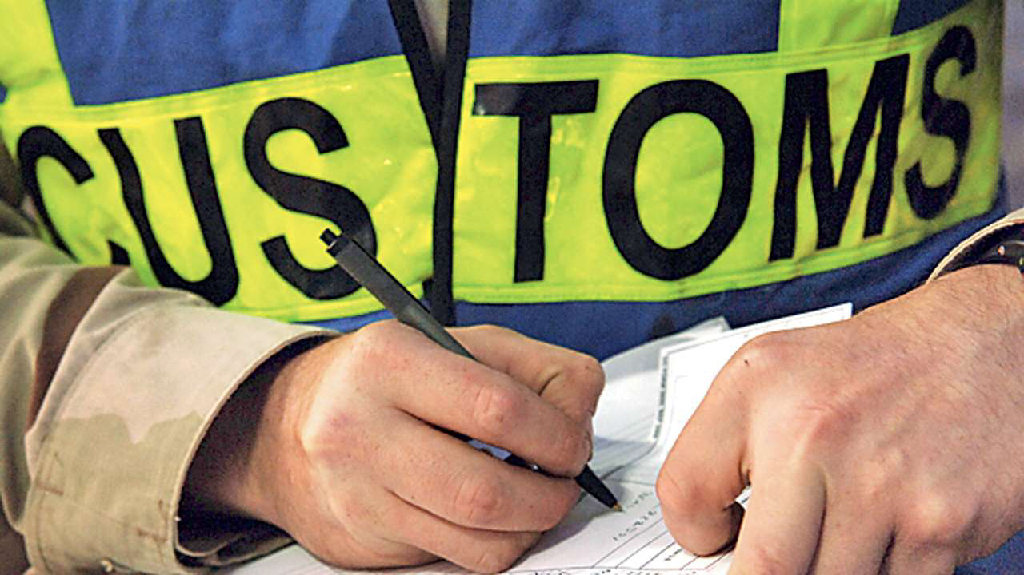
The Port of Tilbury is a major Thames estuary port supporting container, RoRo, bulk, and general cargo movements closely linked to London and the South East. When goods arrive at Tilbury, they remain under customs control within the port environment until clearance is completed. As the customs agent, we manage customs clearance Tilbury directly, ensuring declarations are accurate, timely, and aligned with port inventory systems, cargo references, and onward road movements to keep freight flowing efficiently.
We carry out customs clearances at Tilbury for commercial importers and exporters moving regular and repeat freight through the port. Our role is to maintain consistent declaration logic, correct valuation, and full documentary control across ongoing movements. CustomsCloud provides structured visibility of declarations, cargo records, and audit history, giving customers control and predictability while ensuring customs clearance Tilbury is handled smoothly in a port environment focused on fast turnaround and distribution-led supply chains.
Types of Cargo Commonly Cleared at the Port of Tilbury (GBTIL)
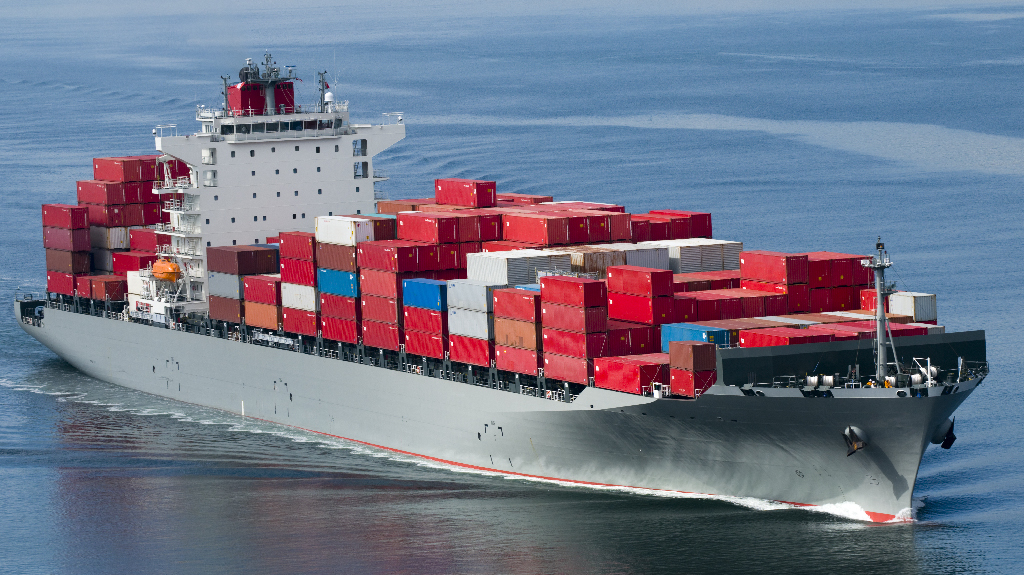
The Port of Tilbury handles a broad mix of commercial cargo closely tied to distribution, retail, construction, and manufacturing supply chains serving London and the South East. Common cargo types include containerised consumer goods, retail and wholesale stock, food and drink products, building materials, paper and packaging, machinery, and general merchandise moving on short-sea and feeder services. These flows depend on reliable customs clearance Tilbury to ensure cargo is released promptly and moves efficiently into regional road and warehouse networks.
Tilbury also supports repeat commercial movements such as distribution centre replenishment stock, contract freight, and import programmes operating on regular sailings. Managing these cargo types requires consistent declaration data, correct valuation, and clear alignment with port inventory and onward transport arrangements. CustomsCloud provides structured visibility of declaration records, cargo references, and audit history, allowing us to maintain control and predictability while delivering customs clearance Tilbury for high-frequency, distribution-led cargo flows.
Short-Sea Shipping Clearance Risks at the Port of Tilbury
Short-sea services operating through Tilbury run on compressed sailing schedules and fast cargo handovers, which increases the impact of even minor clearance errors. Typical risk areas include late submission of declarations, discrepancies between shipping documents and port inventory records, and changes to cargo readiness not reflected in customs data. When these issues occur, delays to customs clearance Tilbury can result in missed sailings, unplanned storage, and disruption to tightly managed distribution timetables.
Effective risk management in a short-sea environment relies on preparation before cargo reaches the quay. We focus on early data validation, consistent handling of repeat movements, and clear alignment between declarations and how cargo is staged for onward transport. CustomsCloud supports customs clearance Tilbury by providing structured visibility of declarations, references, and amendments, allowing issues to be identified and resolved upstream rather than during vessel operations, where recovery options are limited.
Use Cases (Short-Sea and European Freight) & Why Use a Tilbury Customs Specialist
The Port of Tilbury is widely used for short-sea and European freight supporting fast-moving supply chains into London and the South East. Typical use cases include containerised and RoRo freight carrying retail and wholesale stock, food and drink products, packaging, building materials, machinery, and manufacturing inputs moving on regular European services. These movements often operate to tight sailing and delivery windows, making reliable customs clearance Tilbury essential to avoid delays once cargo enters time-critical distribution networks.
Using a Tilbury customs specialist brings practical understanding of how short-sea freight interacts with inland port operations and rapid onward road movement. We manage declarations with a focus on early preparation, consistency across repeat European movements, and clear alignment with port inventory and transport plans. CustomsCloud supports customs clearance Tilbury by providing structured visibility of declarations, references, and historical records, helping European freight move through the port predictably and with minimal disruption.
Typical Import and Export Documentation Requirements
This section provides general guidance on commonly required import and export documentation and does not constitute legal advice. Requirements may change, and no liability is accepted for errors or omissions.
Commercial Invoice: The commercial invoice sets out the transaction details for goods moving through the Port of Tilbury, including buyer, seller, goods description, value, currency, and incoterms. It provides the commercial context for containerised and short-sea cargo serving London and the South East.
Packing List: A packing list details how goods are packaged or unitised, including quantities, weights, dimensions, and contents. This supports identification of consignments handled through Tilbury’s container terminals and distribution facilities.
Transport Documentation: Transport documentation confirms how goods are moved to or from the port, linking shipments to vessel movements or inland haulage routes connected to Tilbury.
Cargo or Consignment Description: Clear cargo or consignment descriptions help identify the nature of goods moving through the port, particularly for mixed loads, consumer goods, or industrial freight.
Terminal or Handling Details: Where applicable, terminal or handling details clarify how and where goods are processed within the port, supporting coordination of port operations.
EORI Number: An EORI number identifies the trader within UK customs systems and is required for customs clearance activity associated with Port of Tilbury movements.
Additional Supporting Documentation: Depending on the cargo type and routing, further documentation may be required, such as compliance information, handling instructions, or supporting correspondence.
Frequently Asked Questions – General Guidance
These FAQs provide general guidance only and do not constitute legal advice. Requirements may vary by shipment, location, and regulation.
What types of freight are commonly cleared at the Port of Tilbury (GBTIL)? The Port of Tilbury handles a wide range of commercial freight, including containerised cargo, roll-on roll-off (RoRo) traffic, paper and forest products, construction materials, retail goods, and general merchandise. Its location on the River Thames makes it a key gateway for London and the South East. CustomsCloud helps ensure cargo moving through the Port of Tilbury is declared accurately and consistently.
How does customs clearance work at the Port of Tilbury? Customs clearance at the Port of Tilbury involves submitting import or export declarations to HMRC, linked to vessel, container, or trailer movements at the terminal. Declarations are often pre-lodged ahead of arrival to support faster cargo release and onward distribution. CustomsCloud helps align shipping references, transport data, and customs entries to support smooth processing at the Port of Tilbury.
What documents are required for customs clearance at the Port of Tilbury (GBTIL)? Standard documents include a commercial invoice, packing list, bill of lading or sea waybill, and an import or export customs declaration. Depending on the goods, additional paperwork such as licences, proof of origin, or regulatory documentation may be required. CustomsCloud helps keep documentation organised and aligned before cargo arrives.
Is the Port of Tilbury used for container, RoRo, and distribution cargo? Yes, the Port of Tilbury supports containerised freight, RoRo services, and distribution-led cargo serving the London and South East markets. Efficient customs processing is essential to avoid storage delays and keep supply chains moving. CustomsCloud supports data accuracy and visibility, helping reduce disruption.
What are the most common causes of customs delays at the Port of Tilbury? Delays commonly arise from incomplete or inaccurate documentation, incorrect commodity codes, late submission of customs declarations, or mismatches between transport and customs data. For high-throughput distribution cargo, timing and accuracy are critical. CustomsCloud helps reduce these risks through structured records and clear audit trails.
Customs Clearance Tilbury – Contact Us
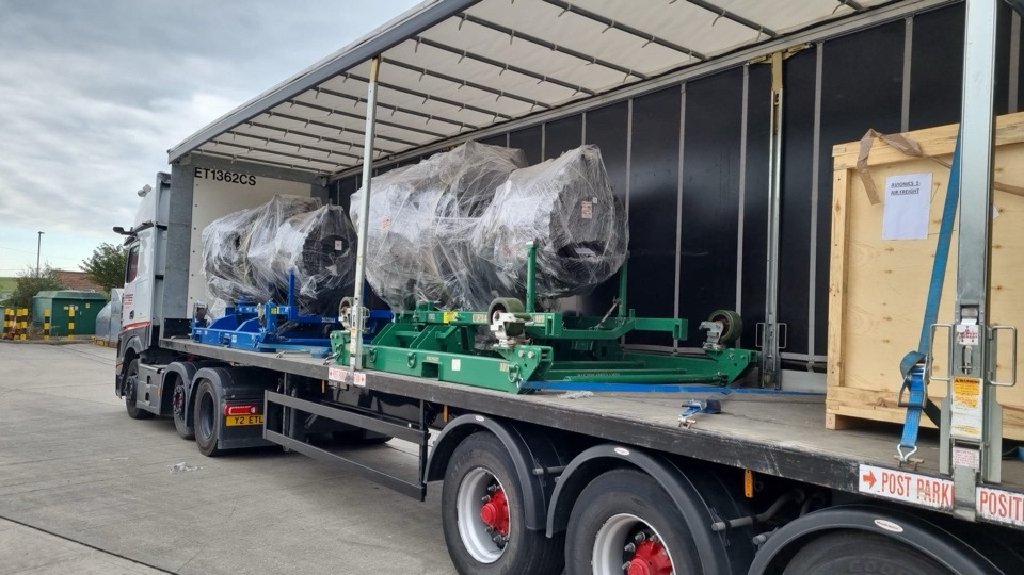
The Port of Tilbury is a multi-purpose Thames port supporting a wide range of cargo, including containerised freight, RoRo traffic, and project-related movements serving London and the South East. Our team supports customs clearance for goods moving through Tilbury by coordinating declaration activity and compliance checks in line with port handling arrangements and cargo types. If you are considering a shipment via the Port of Tilbury, our team can outline the clearance approach and provide support through a registered CustomsCloud account by calling +44 208 754 9000 or emailing admin@customscloud.com
All quotations and estimates are indicative and may be adjusted based on final shipment details where applicable. Customers must hold an active, registered CustomsCloud account to submit requests and access services. It is the customer’s responsibility to ensure that all information provided is accurate, complete, and compliant with applicable regulations. Prices are reviewed periodically and may change without notice.
All services are provided in accordance with the British International Freight Association (BIFA) Standard Trading Conditions (latest edition), which are available upon request.”