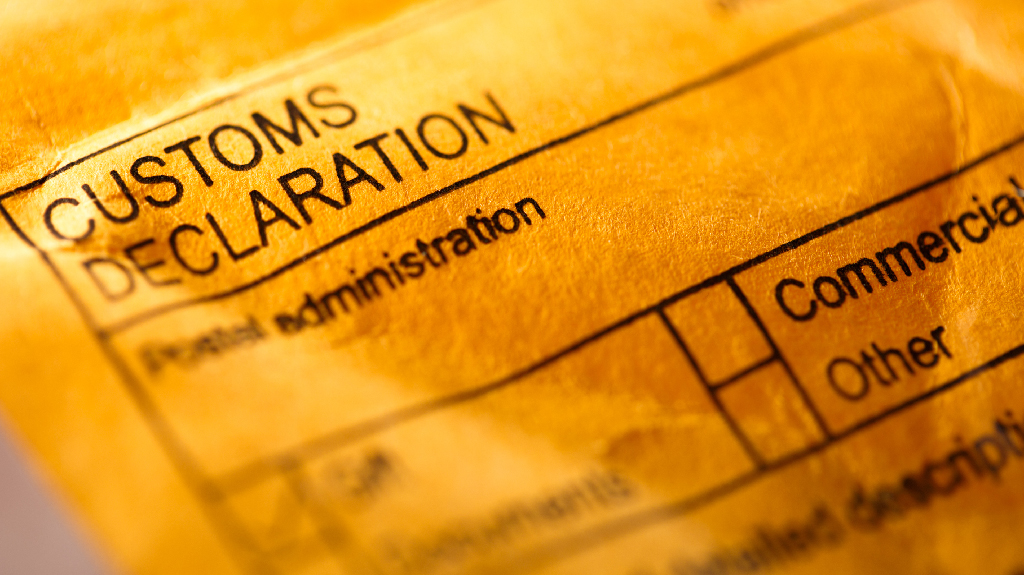
A post clearance amendment is the process of correcting a customs declaration after it has already been submitted to HMRC. These corrections are required where information was incomplete or incorrect at the time of submission, such as commodity codes, values, origin details, or procedure codes. Post clearance amendment activity is a normal part of customs compliance and allows businesses to put matters right once an error has been identified, reducing the risk of penalties or escalation.
In practice, customs amendments are handled either proactively by the trader or in response to an HMRC query or audit. Many organisations rely on a dedicated post clearance amendment team to review declarations, assess exposure, and submit corrections in the correct format and timeframe. CustomsCloud supports customs amendments by centralising declaration history, changes, and supporting documents, giving businesses a clear audit trail and greater control over post-clearance compliance.
When an error is identified on a customs declaration, it must be corrected through a post clearance amendment submitted to HMRC. This process allows traders to update information such as values, commodity codes, origin details, or customs procedure codes after clearance has taken place. The amendment must clearly state what is being corrected and why, and it must be supported by accurate records in case HMRC requests further evidence.
In practice, customs amendments may be submitted voluntarily by the trader or as part of an HMRC review or audit. Larger businesses often operate a dedicated post clearance amendment team to monitor declarations, assess risk, and ensure corrections are made within the required timeframes. CustomsCloud supports this process by maintaining a full declaration history and audit trail, making it easier to manage post clearance amendment activity accurately and demonstrate compliance to HMRC when amendments are reviewed.
Audit exposure most often increases when errors on customs declarations are not identified or corrected promptly. Where inaccuracies remain unaddressed, HMRC may identify them during compliance checks or formal audits, increasing the likelihood of penalties or backdated charges. Submitting a post clearance amendment allows traders to correct mistakes proactively and demonstrate good compliance intent, reducing the risk of escalation during reviews by HM Revenue & Customs.
Penalties typically arise where customs amendments are late, incomplete, or unsupported by evidence. Repeated errors or poor record-keeping can also indicate wider compliance weaknesses, particularly where no structured process exists to review declarations after clearance. Many businesses reduce this risk by using a dedicated post clearance amendment team to monitor declarations, manage corrections, and maintain clear audit trails. CustomsCloud supports this approach by centralising amendment history and supporting records, helping businesses control post clearance amendment activity and reduce long-term compliance risk.
Use Cases (Errors, Omissions, Corrections) & Why Use an Amendment Specialist
Errors, omissions, and corrections can arise at any point in the customs process, even where declarations were submitted in good faith. Common scenarios include incorrect values, misclassified commodity codes, missing origin data, or the wrong procedure being applied. In these cases, a post clearance amendment allows the trader to correct the record after release, ensuring the declaration accurately reflects the transaction and reducing longer-term compliance exposure. Addressing issues early through customs amendments is an important part of maintaining a clean compliance history.
Many businesses choose to use an amendment specialist, particularly where volumes are high or issues are recurring. A dedicated post clearance amendment team can review historic entries, identify patterns of risk, and manage corrections in a controlled and documented way. This approach helps ensure post clearance amendment submissions are accurate, timely, and properly evidenced. CustomsCloud supports amendment specialists by centralising declaration data, changes, and supporting documents, making it easier to manage corrections consistently and demonstrate compliance if HMRC later reviews the activity.
Typical Import and Export Documentation Requirements
This section provides general guidance on commonly required import and export documentation and does not constitute legal advice. Requirements may change, and no liability is accepted for errors or omissions.
Original Clearance Records: Original clearance records provide the baseline information against which any amendment or correction is assessed. These records help identify what was previously submitted and where changes are required.
Corrected Commercial Invoice: A corrected commercial invoice may be required where values, goods descriptions, or commercial details need to be updated. This document supports the accuracy of the amended information.
Revised Packing Information: Where packing details have changed or were previously incorrect, revised packing information may be required to reflect the actual shipment configuration and contents.
Supporting Evidence for Amendment: Supporting evidence is often needed to justify a correction, such as revised contracts, supplier confirmations, or updated transaction details. This helps demonstrate the validity of the amendment.
Correspondence or Reference Details: Relevant correspondence or internal reference details may be required to link the amendment request to the original clearance and provide context for the correction being made.
Additional Supporting Documentation: Depending on the nature of the amendment, further documentation may be required to support post-clearance corrections and ensure records are accurate and complete.
Frequently Asked Questions – General Guidance
These FAQs provide general guidance only and do not constitute legal advice. Requirements may vary by shipment, location, and regulation.
What is a customs amendment and when is one required? A customs amendment is a correction made to a declaration after it has been submitted, and sometimes after the goods have already cleared customs. Amendments are required when errors are identified that could affect duty, VAT, compliance, or regulatory reporting. Tools such as CustomsCloud help businesses identify where amendments are needed and keep records aligned with the corrected data.
Can customs declarations be corrected after clearance? Yes, UK customs declarations can be corrected after clearance if errors are discovered. These corrections must be made in line with HMRC rules and within the permitted timeframes. CustomsCloud supports this process by maintaining clear audit trails and ensuring amended information is consistent across documents and records.
What types of errors usually require post-clearance corrections? Common issues include incorrect commodity codes, inaccurate customs values, wrong origin details, missing licences, or incorrect importer or exporter information. Even small errors can have compliance implications. CustomsCloud helps reduce repeat errors by highlighting inconsistencies and improving data accuracy over time.
Are there penalties for correcting customs declarations? Correcting a declaration does not automatically result in penalties, particularly when errors are disclosed voluntarily and promptly. However, repeated or significant inaccuracies may attract closer scrutiny. CustomsCloud supports proactive correction and documentation, helping demonstrate due diligence and compliance if queries arise.
How long after clearance can a declaration be amended? The timeframe for amendments depends on the type of declaration and the nature of the error, with some corrections allowed months or even years after clearance. Accurate records are essential during this period. CustomsCloud helps businesses retain and manage customs data in a structured way, making post-clearance corrections easier to handle when required.
Customs Amendments & Post-Clearance Corrections – Contact Us
When information needs to be corrected after a declaration has been submitted, timely and accurate amendments are essential. Our customs amendments and post-clearance correction services support businesses in rectifying errors, updating records, and responding to customs queries in line with UK requirements. To request an amendment or manage corrections through a registered CustomsCloud account, contact our team on +44 208 754 9000 or email admin@customscloud.com
All quotations and estimates are indicative and may be adjusted based on final shipment details where applicable. Customers must hold an active, registered CustomsCloud account to submit requests and access services. It is the customer’s responsibility to ensure that all information provided is accurate, complete, and compliant with applicable regulations. Prices are reviewed periodically and may change without notice.
All services are provided in accordance with the British International Freight Association (BIFA) Standard Trading Conditions (latest edition), which are available upon request.”