What Is Food, Drink & SPS Customs Clearance (IPAFFS)
Food, drink, and SPS customs clearance covers the customs and regulatory process for importing controlled food and drink products into the UK. This includes managing food customs clearance alongside sanitary and phytosanitary (SPS) requirements, which are designed to protect public health, animal health, and plant biosecurity. Many food products are subject to additional controls beyond standard customs declarations, making accuracy and preparation essential.
In practice, food import clearance involves coordinating customs declarations with SPS pre-notifications, supporting documentation, and, where required, border inspections. Errors or missing information can result in delays, holds, or rejection of goods at the border, which can be particularly disruptive for perishable or time-sensitive products. We work directly with food and drink importers to manage this process end to end. CustomsCloud supports food, drink, and SPS customs clearance by centralising declarations, IPAFFS records, and audit documentation, helping businesses remain compliant and keep goods moving smoothly.
IPAFFS and SPS customs clearance begins before food and drink goods arrive in the UK. Importers must submit the required pre-notification through IPAFFS so authorities can assess the consignment in advance. This process works alongside food customs clearance, ensuring customs declarations and SPS requirements are aligned before goods reach the border. Accurate product details, origin information, and supporting documents are essential to avoid delays.
Once the goods arrive, border authorities use the IPAFFS submission to determine whether documentary, identity, or physical checks are required. Food import clearance depends on consistency between the IPAFFS notification, customs declaration, and transport documents. Any mismatch can result in holds or inspections, which is particularly disruptive for perishable goods. We work directly with food and drink importers to manage this process accurately, while CustomsCloud supports IPAFFS and SPS clearance by keeping declarations, notifications, and records linked and audit-ready.
SPS rejections and border delays most often occur when information submitted through IPAFFS does not match the customs declaration or supporting documents. Errors in product descriptions, quantities, origin, or missing health documentation can prevent food customs clearance from being completed on arrival. When this happens, consignments may be held for further checks, refused entry, or delayed while corrections are made, which is particularly disruptive for perishable goods.
IPAFFS errors also increase the risk of inspections being escalated. Late submissions or inconsistencies between IPAFFS notifications and customs records can interrupt food import clearance, leading to extended border holds and additional costs. We work directly with food and drink importers to reduce these risks by ensuring declarations and SPS data are aligned before arrival. CustomsCloud supports this by keeping IPAFFS submissions, customs declarations, and audit records linked and easy to review, helping prevent avoidable delays at the border.
Use Cases (Food, Drink, Animal Products) & Why Use an IPAFFS Specialist
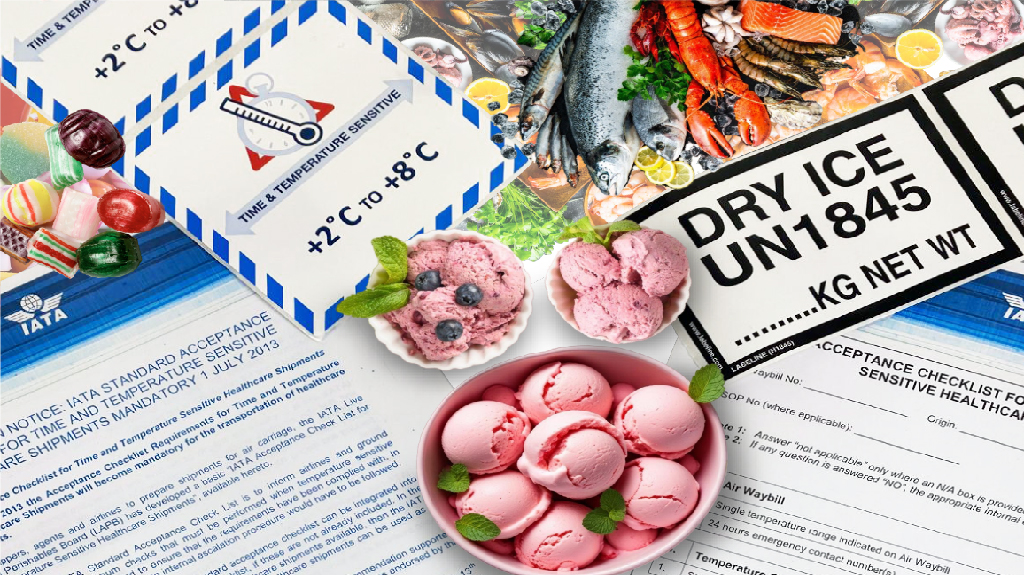
Food, drink, and animal products are among the most tightly controlled goods entering the UK, making food customs clearance a critical part of the import process. Typical use cases include chilled and ambient food, beverages, meat and dairy products, and other animal-origin goods that require SPS controls. These shipments are often time-sensitive and subject to additional checks, so accuracy and preparation are essential to keep goods moving.
Using an IPAFFS specialist helps ensure food import clearance is handled correctly from the outset. A specialist understands how to align IPAFFS notifications with customs declarations, manage supporting health documentation, and reduce the risk of inspections or rejections at the border. We work directly with food and drink importers to manage these requirements in a practical, compliant way. CustomsCloud supports this by centralising IPAFFS records, customs declarations, and audit documentation, giving importers confidence and control when moving regulated food, drink, and animal products.
Typical Import and Export Documentation Requirements
This section provides general guidance on commonly required import and export documentation and does not constitute legal advice. Requirements may change, and no liability is accepted for errors or omissions.
Commercial Invoice: The commercial invoice sets out the transaction details for food and drink products, including seller, buyer, product description, value, currency, and incoterms. It provides the commercial context for goods subject to sanitary and phytosanitary controls.
Packing List: A packing list details how food or drink products are packaged, including quantities, weights, dimensions, and contents. This supports identification of consignments during SPS checks and inspections.
IPAFFS Reference Information: IPAFFS reference information links the consignment to the relevant sanitary and phytosanitary notification. It is used to identify food and drink products subject to SPS controls within the UK border process.
Health Certificates: Health certificates may be required for certain food and drink products to confirm compliance with applicable sanitary and phytosanitary standards. These documents are typically issued by the competent authority in the country of origin.
Product or Ingredient Details: Detailed product or ingredient information may be required to assess regulatory requirements, composition, and treatment of food or drink items subject to SPS controls.
EORI Number: An EORI number identifies the trader within UK customs systems and is required for food, drink, and SPS-related customs clearance activity.
Additional Supporting Documentation: Depending on the product type, further documentation may be required, such as laboratory reports, conformity statements, or regulatory approvals.
Frequently Asked Questions – General Guidance
These FAQs provide general guidance only and do not constitute legal advice. Requirements may vary by shipment, location, and regulation.
What is food and drink customs clearance in the UK? Food and drink customs clearance involves declaring food products to HMRC and complying with sanitary and phytosanitary (SPS) controls when goods are imported or exported. These controls protect food safety, animal health, and plant health. Systems such as CustomsCloud help ensure customs and SPS requirements are aligned.
What is IPAFFS and when is it required for food imports? IPAFFS is the UK system used to notify authorities of incoming SPS-controlled goods before arrival. It is required for many food and drink imports, particularly products of animal origin and certain plant products. CustomsCloud helps ensure IPAFFS notifications are submitted accurately and on time.
Which food and drink products are subject to SPS controls? Products subject to SPS controls include meat, dairy, fish, eggs, certain composite foods, and regulated plant products. Requirements vary based on product type, origin, and risk category. CustomsCloud helps businesses identify whether their goods fall under SPS controls and what documentation is required.
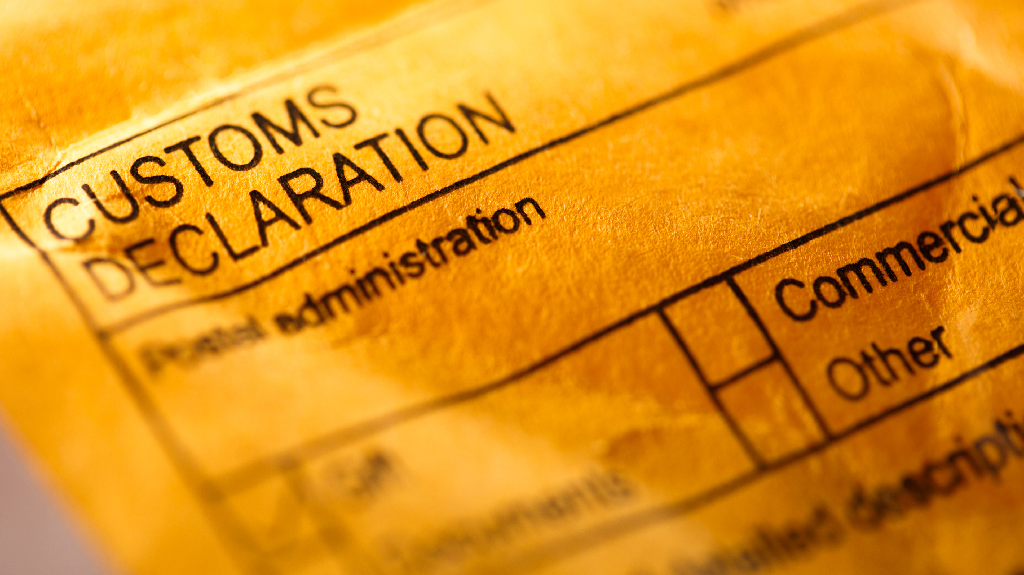
What documents are required for food and drink SPS customs clearance? Typical documents include a commercial invoice, packing list, transport documents, import customs declaration, health certificates, and IPAFFS notifications. Incomplete or inconsistent documentation can trigger inspections or delays. CustomsCloud helps centralise and align these documents for smoother clearance.
What are the most common causes of delays with food and drink imports? Delays commonly occur due to late IPAFFS submissions, missing or incorrect health certificates, inconsistent product descriptions, or mismatched customs and SPS data. These delays can result in storage costs or spoilage risks. CustomsCloud supports better data accuracy and visibility, helping reduce avoidable disruption.
Food, Drink & SPS Customs Clearance (IPAFFS) – Contact Us
Food and drink products are subject to sanitary and phytosanitary controls and advance notification requirements when entering or leaving the UK. Our food, drink, and SPS customs clearance services support compliant declarations, IPAFFS submissions, and coordination with border controls for regulated consignments. To discuss a food or drink shipment or submit a request through a registered CustomsCloud account, contact our team on +44 208 754 9000 or email admin@customscloud.com
All quotations and estimates are indicative and may be adjusted based on final shipment details where applicable. Customers must hold an active, registered CustomsCloud account to submit requests and access services. It is the customer’s responsibility to ensure that all information provided is accurate, complete, and compliant with applicable regulations. Prices are reviewed periodically and may change without notice.
All services are provided in accordance with the British International Freight Association (BIFA) Standard Trading Conditions (latest edition), which are available upon request.”