What Is Events, Exhibitions & Temporary Import Customs Clearance
Events, exhibitions, and temporary import customs clearance covers the customs process for goods brought into the UK for a short period and then re-exported. This typically includes exhibition stands, display equipment, tools, promotional materials, and event infrastructure. A common scenario is a temporary import for exhibition, where goods enter the UK solely to be used at a trade show, conference, or live event and are not intended to be sold or remain in the country.
In practice, this form of customs clearance focuses on declaring goods correctly as temporary, controlling how they are used while in the UK, and ensuring they are exported again within the permitted timeframe. Errors in documentation or missed re-export deadlines can result in duties and taxes becoming payable. We work directly with event organisers, exhibitors, and production teams to manage every temporary import for exhibition accurately and on schedule. CustomsCloud supports this by centralising declarations, documentation, and audit records, giving teams confidence that temporary event imports are handled correctly from arrival through to re-export.
How Temporary Import Customs Clearance Works for Events
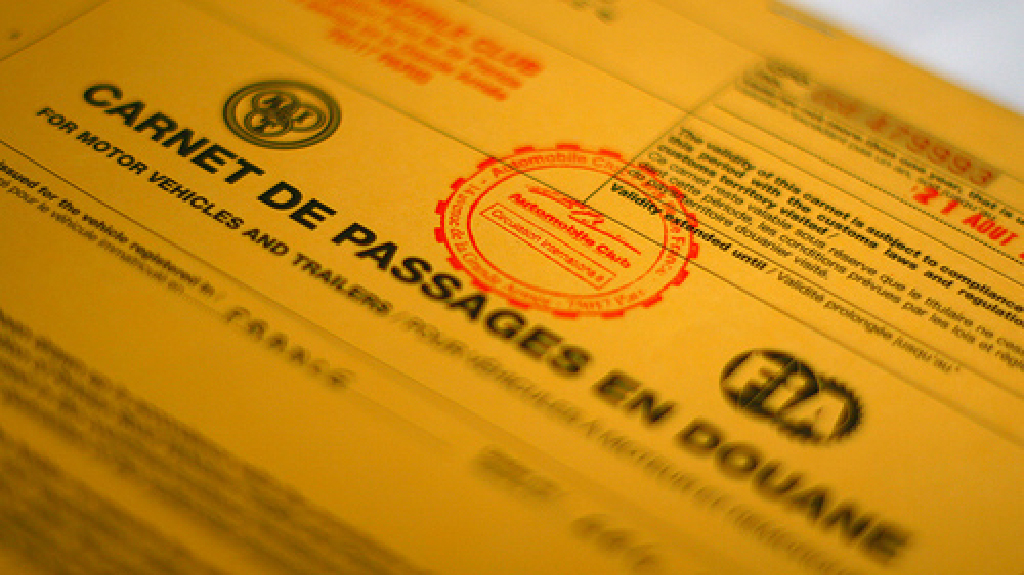
Temporary import customs clearance for events starts before goods arrive in the UK, with planning around how long the items will stay and how they will be used. For a temporary import for exhibition, goods such as stands, displays, and event equipment can be cleared either under a temporary admission procedure or by using ATA carnets, depending on the nature of the event and the movement. Accurate advance declarations and supporting documents are essential to ensure goods are released quickly and without disruption to event schedules.
Once in the UK, goods must be used only for the declared event purpose and must be re-exported within the permitted timeframe. Where ATA carnets are used, strict controls apply to ensure the carnet is correctly presented on entry and exit. We work directly with event organisers and exhibitors to manage each temporary import for exhibition, coordinating customs clearance, carnet movements, and re-export timelines. CustomsCloud supports this process by centralising declarations, carnet records, and audit documentation, helping events stay compliant from arrival through to departure.
ATA carnets and temporary import procedures are widely used for event shipments, but both carry strict timing and compliance requirements. For a temporary import for exhibition, goods must enter and leave the UK within defined time limits, and any deviation from the declared purpose can invalidate the relief. With ATA carnets, failure to present the carnet correctly on arrival or departure, or missing endorsements, can result in delays, penalties, or unexpected duty and VAT liabilities.
Timing risks increase when event schedules change or re-export deadlines are missed. Late departures, split shipments, or changes to routing can all cause problems, particularly where multiple movements are covered by a single carnet. We work directly with event organisers and exhibitors to manage each temporary import for exhibition, ensuring ATA carnets are correctly handled and re-export deadlines are met. CustomsCloud supports this by tracking declarations, carnet usage, and timelines in one place, reducing the risk of non-compliance and costly delays.
Use Cases (Exhibitions, Trade Shows) & Why Use a Temporary Import Specialist
Temporary import customs clearance is most commonly used for exhibitions and trade shows where goods enter the UK for a short, defined period and must be re-exported once the event ends. Typical use cases include exhibition stands, demonstration equipment, promotional materials, and technical gear brought in under a temporary import for exhibition. These movements are often time-critical and closely tied to event build-up and breakdown schedules, leaving little room for error.
Using a temporary import specialist helps ensure these movements are handled correctly from start to finish. We work directly with exhibitors and organisers to manage customs declarations, ATA carnets, and re-export deadlines, reducing the risk of delays or unexpected charges. This is particularly important where multiple events, venues, or split shipments are involved. CustomsCloud supports every temporary import for exhibition by centralising declarations, carnet records, and timing controls, giving exhibitors confidence that goods will arrive on time and leave the UK compliantly.
Typical Import and Export Documentation Requirements
This section provides general guidance on commonly required import and export documentation and does not constitute legal advice. Requirements may change, and no liability is accepted for errors or omissions.
Commercial Invoice: The commercial invoice sets out the transaction or declared value details for goods being temporarily imported for events or exhibitions, including goods description, value, currency, and incoterms. It provides the commercial context for temporary movements linked to event activity.
Packing List: A packing list details how event or exhibition goods are packaged, including quantities, weights, dimensions, and contents. This supports identification of display items, equipment, and materials during temporary import.
Inventory or Goods List: An inventory or goods list provides a detailed breakdown of all items being moved, such as stand materials, equipment, samples, or promotional items. This helps distinguish temporary goods from consumables or permanent imports.
Proof of Event or Exhibition Participation: Documentation confirming participation in an event or exhibition may be required to demonstrate the purpose of the temporary import. This can include booking confirmations, exhibitor details, or event schedules.
Transport Documentation: Transport documents confirm how the goods are being moved and link the shipment to the relevant logistics arrangements for the event or exhibition.
Proof of Re-Export or Return: Evidence of re-export or return may be required to show that temporarily imported goods will leave, or have left, the UK after the event in line with the agreed timeframe.
Additional Supporting Documentation: Depending on the nature of the event and goods involved, further documentation may be required, such as authorisations, compliance statements, or supporting correspondence.
Frequently Asked Questions – General Guidance
These FAQs provide general guidance only and do not constitute legal advice. Requirements may vary by shipment, location, and regulation.
What is events and exhibitions customs clearance? Events and exhibitions customs clearance covers the temporary import and export of goods used for trade shows, conferences, demonstrations, and live events. These goods are usually brought into the UK for a short period and then re-exported. Systems such as CustomsCloud help ensure the correct temporary import procedures are applied and documented.
What types of goods are commonly cleared for events and exhibitions? Common items include exhibition stands, display materials, demonstration equipment, audiovisual gear, tools, promotional items, and professional equipment. Goods may be high-value or time-critical, particularly around event build-up and breakdown periods. CustomsCloud helps manage classification and documentation for a wide range of event cargo.
What documents are required for temporary import customs clearance? Documents typically include a commercial invoice or pro-forma invoice, packing list, transport documents, and a temporary import or customs declaration. In some cases, an ATA Carnet may be used. CustomsCloud helps keep all documents aligned and ensures temporary import conditions are clearly recorded.
How long can exhibition goods remain in the UK? The permitted stay depends on the customs procedure used, but goods must usually be re-exported within a set time limit. Extensions may be possible if approved in advance. CustomsCloud helps track deadlines and maintain visibility over temporary import timelines.
What are the most common issues that delay event and exhibition clearance? Delays often occur due to missing or unclear documentation, incorrect valuation, goods being sold or consumed without approval, or failure to re-export on time. Tight event schedules increase the impact of any delay. CustomsCloud supports structured records and audit trails, making it easier to resolve issues quickly.
Events, Exhibitions & Temporary Import Customs Clearance – Contact Us
Goods moving for exhibitions, trade shows, and live events are often time-sensitive and intended to remain in the country only temporarily. Our events and exhibitions customs clearance services support temporary imports by managing declarations, reliefs, and return movements to help ensure equipment and materials arrive and depart as planned. To discuss an event-related shipment or submit a request through a registered CustomsCloud account, contact our team on +44 208 754 9000 or email admin@customscloud.com
All quotations and estimates are indicative and may be adjusted based on final shipment details where applicable. Customers must hold an active, registered CustomsCloud account to submit requests and access services. It is the customer’s responsibility to ensure that all information provided is accurate, complete, and compliant with applicable regulations. Prices are reviewed periodically and may change without notice.
All services are provided in accordance with the British International Freight Association (BIFA) Standard Trading Conditions (latest edition), which are available upon request.”