What Is Energy, Renewables & Power Generation Customs Clearance
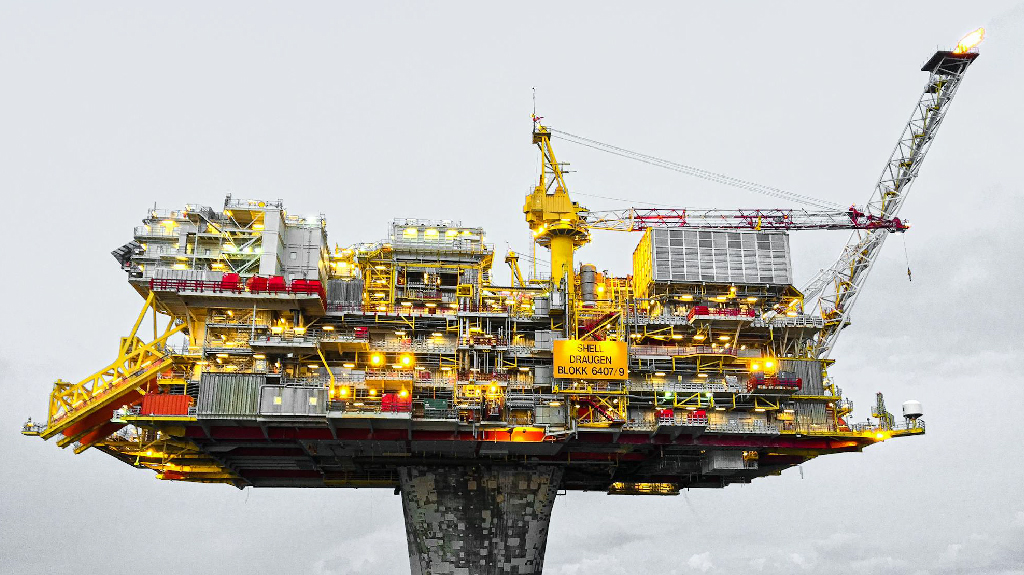
Energy, renewables, and power generation customs clearance covers the customs processes required to move equipment, components, and materials used in energy projects into and out of the UK. This includes goods for renewable energy developments, power generation assets, and supporting infrastructure, often moved as part of complex, phased projects. Because these shipments are frequently high-value, oversized, or time-critical, customs accuracy and planning are essential to avoid delays that could impact construction or commissioning schedules.
In practice, this type of customs clearance involves coordinating multiple shipments, managing detailed documentation, and ensuring declarations align with the wider project timeline. Errors or delays can create knock-on effects across installation, testing, or grid connection activities. We work directly with energy and infrastructure developers to manage customs clearance from planning through delivery. CustomsCloud supports this by centralising declarations, documentation, and audit records, giving project teams clear visibility and confidence that customs compliance is being handled correctly throughout the lifecycle of energy and power generation projects.
Energy and renewables customs clearance starts with planning declarations around the project schedule, often well before equipment arrives in the UK. Shipments can include turbines, transformers, cables, control systems, and balance-of-plant items, many of which move in phases. Each consignment must be accurately declared with the correct values, origin, and procedure so goods can be released without disrupting installation or commissioning timelines.
In practice, clearance requires close coordination across suppliers, transport providers, and site teams. Documentation must remain consistent across multiple shipments, and any changes to scope or timing need to be reflected in the customs process. We work directly with energy and renewables developers to manage this coordination, reducing risk across complex supply chains. CustomsCloud underpins the process by keeping declarations, documents, and records aligned in one place, giving project teams visibility and control throughout delivery.
Regulatory Delays in Energy & Renewables Shipments
Regulatory delays are a common risk in energy and renewables shipments due to the scale, value, and technical nature of the equipment involved. Issues often arise where customs declarations do not fully align with the project scope, shipment phasing, or regulatory requirements. Missing or inconsistent documentation, incorrect classification, or late changes to shipment details can all result in goods being held, disrupting delivery schedules and installation plans.
These delays can have wider project impacts, particularly where equipment is needed for critical path activities such as commissioning or grid connection. In large renewable and power generation projects, even short customs delays can cascade into contractual and operational challenges. We work directly with energy and renewables developers to minimise these risks by managing declarations accurately and proactively. CustomsCloud supports this approach by maintaining clear, centralised records and audit trails, helping prevent regulatory delays and keep complex energy projects moving.
Use Cases (Wind, Solar, Power Projects) & Why Use an Energy Customs Specialist
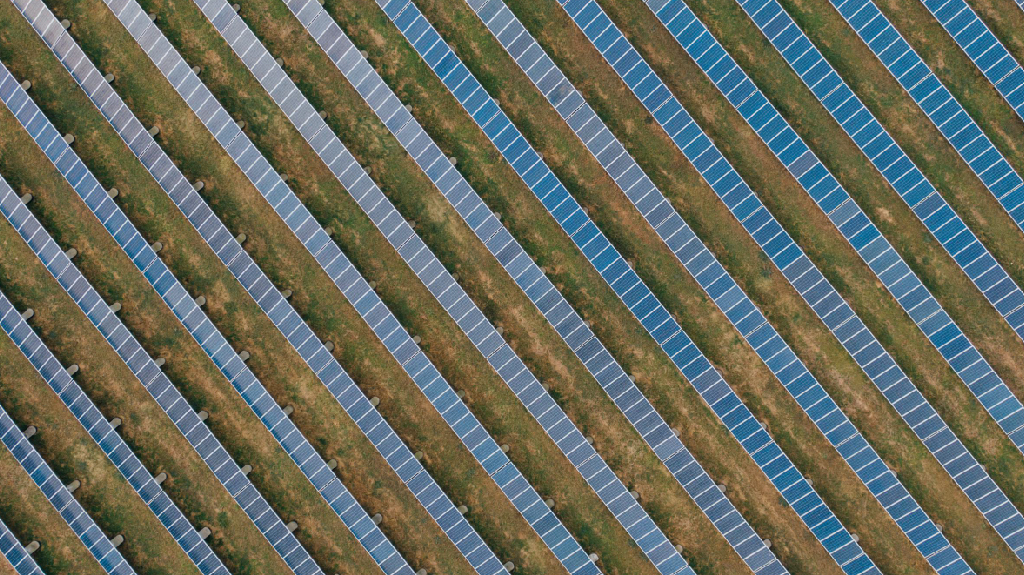
Energy customs clearance is most commonly required for wind, solar, and wider power generation projects where equipment is imported in phases and delivered to tight construction schedules. Typical use cases include wind turbine components, solar panels and inverters, substations, transformers, and balance-of-plant equipment arriving from multiple overseas suppliers. These projects often involve high-value, oversized, or time-critical cargo, where customs delays can directly affect installation, commissioning, and grid connection milestones.
Working with an energy customs specialist provides the control needed to manage these complex movements. We work directly with wind, solar, and power project developers to coordinate customs clearance alongside project timelines, supplier schedules, and site readiness. This reduces risk, avoids avoidable delays, and ensures compliance is maintained across the full lifecycle of the project. CustomsCloud underpins this work by centralising declarations, documentation, and audit records, giving project teams visibility and confidence that customs clearance is being handled accurately from planning through delivery.
Typical Import and Export Documentation Requirements
This section provides general guidance on commonly required import and export documentation and does not constitute legal advice. Requirements may change, and no liability is accepted for errors or omissions.
Commercial Invoice: The commercial invoice sets out the transaction details for energy and power generation equipment, including buyer, seller, goods description, value, currency, and incoterms. It provides the commercial context for shipments linked to renewable and conventional energy projects.
Packing List: A packing list details how equipment and components are packaged, including quantities, weights, dimensions, and contents. This supports identification of large, heavy, or multi-part items commonly associated with energy projects.
Equipment or Component List: An equipment or component list provides a clear breakdown of individual items within the shipment, such as turbines, inverters, transformers, or balance-of-plant equipment. This helps distinguish complex project cargo elements.
Technical Specifications: Technical specifications describe the function, configuration, and performance characteristics of the equipment. These details help clarify the nature and intended application of specialist energy or power generation assets.
Project or End-Use Information: Documentation explaining the project context or end use may be required to demonstrate how the goods relate to a specific energy, renewable, or power generation installation.
Transport Documentation: Transport documents confirm how the equipment is being moved and link the shipment to the relevant logistics arrangements, supporting coordination of large or time-sensitive movements.
Additional Supporting Documentation: Depending on the equipment and project requirements, further documentation may be required, such as compliance statements, installation schedules, or supporting correspondence.
Frequently Asked Questions – General Guidance
These FAQs provide general guidance only and do not constitute legal advice. Requirements may vary by shipment, location, and regulation.
What is energy and renewables customs clearance? Energy, renewables, and power generation customs clearance covers the declaration of equipment and materials used in projects such as wind, solar, battery storage, and conventional power generation. These shipments often involve large, high-value, or specialist items moved as part of complex projects. Systems such as CustomsCloud help ensure declarations are accurate and aligned across multiple shipments.
What types of energy and power generation equipment require customs clearance? Goods commonly include wind turbine components, solar panels, inverters, transformers, battery energy storage systems, generators, cabling, and balance-of-plant equipment. Many projects involve repeated or staged imports and exports. CustomsCloud helps maintain consistency across equipment types and project phases.
What documents are required for energy and renewables customs clearance? Typical documents include commercial invoices, packing lists, transport documents, and import or export customs declarations. Additional paperwork may include licences, certificates of origin, technical specifications, or regulatory approvals depending on the equipment. CustomsCloud helps centralise and align documentation across suppliers and project partners.
How are project-based or phased energy shipments handled by customs? Energy projects often rely on sequenced deliveries to meet construction schedules. Customs delays can impact installation timelines and costs. Accurate pre-submission of data and consistent documentation are critical. CustomsCloud supports visibility and control across phased shipments, helping reduce disruption.
What are the main customs risks for energy and power generation projects? Key risks include incorrect classification of specialist equipment, inconsistent documentation across suppliers, missing licences, or poor record-keeping across multiple shipments. These issues can lead to delays, increased costs, or compliance exposure. CustomsCloud supports structured records and audit trails, helping manage risk throughout the project lifecycle.
Energy, Renewables & Power Generation Customs Clearance – Contact Us
Energy and power generation projects often involve complex equipment, staged deliveries, and long-term movements across borders. Our energy, renewables, and power generation customs clearance services support compliant import and export of project cargo, components, and specialist equipment in line with sector requirements. To discuss an energy-related shipment or submit a request through a registered CustomsCloud account, contact our team on +44 208 754 9000 or email admin@customscloud.com
All quotations and estimates are indicative and may be adjusted based on final shipment details where applicable. Customers must hold an active, registered CustomsCloud account to submit requests and access services. It is the customer’s responsibility to ensure that all information provided is accurate, complete, and compliant with applicable regulations. Prices are reviewed periodically and may change without notice.
All services are provided in accordance with the British International Freight Association (BIFA) Standard Trading Conditions (latest edition), which are available upon request.”