What Is Dangerous Goods & Hazardous Materials Customs Clearance
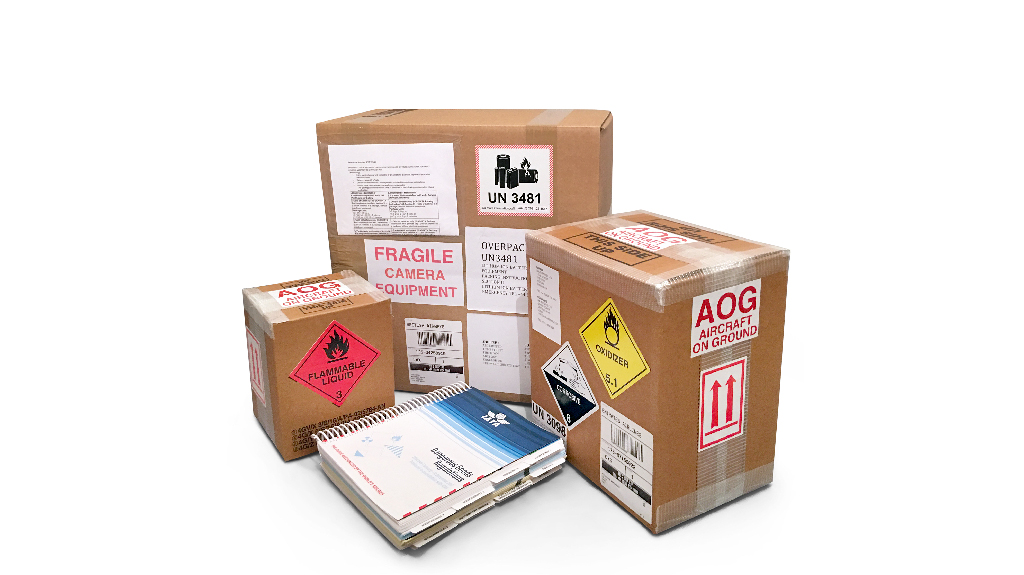
Dangerous goods customs clearance is the process of declaring hazardous materials to customs when they are imported into or exported from the UK. This applies to goods that present safety, health, or environmental risks, such as chemicals, batteries, fuels, and regulated industrial materials. The clearance process ensures these goods are correctly classified, declared, and supported by the required documentation so they can move legally through customs.
Because hazardous materials are subject to additional regulatory controls, dangerous goods customs clearance must be handled accurately to avoid delays, inspections, or enforcement action. Errors in classification or missing supporting documents can result in shipments being held or rejected. CustomsCloud supports dangerous goods and hazardous materials customs clearance by helping manage declarations, documentation, and compliance records, giving businesses greater confidence when moving regulated goods.
Dangerous goods customs clearance begins with accurately identifying and declaring hazardous materials when they are imported into or exported from the UK. This involves confirming the correct classification, providing supporting safety documentation, and submitting a compliant customs declaration so dangerous goods customs clearance can be carried out without delay. Because these goods pose safety or environmental risks, customs authorities may apply additional scrutiny before release.
In practice, dangerous goods customs clearance relies on consistency between the customs declaration and the accompanying technical documents. Any discrepancy can trigger checks, requests for clarification, or holds at the border. CustomsCloud supports this process by helping businesses keep declarations, safety documentation, and compliance records aligned, reducing the risk of delays and ensuring hazardous materials move through customs in a controlled and compliant way.
Misclassification is one of the most common causes of delay and enforcement action in dangerous goods customs clearance. When hazardous materials are declared with the wrong classification, description, or regulatory status, customs authorities may stop the shipment for further checks. This can lead to holds, inspections, or refusal to clear the goods until the issue is corrected, increasing both cost and operational risk.
Documentation and safety risks also arise where supporting DG paperwork is incomplete, inconsistent, or does not match the customs declaration. Errors in safety data, handling instructions, or references can escalate scrutiny and delay dangerous goods customs clearance, particularly where goods present higher safety or environmental risk. CustomsCloud helps reduce these risks by keeping declarations and supporting records aligned, supporting accurate submissions, and maintaining clear audit trails for hazardous materials movements.
Use Cases (Chemicals, Batteries, Regulated Goods) & Why Use a DG Specialist
Dangerous goods customs clearance is commonly required for shipments involving chemicals, batteries, and other regulated goods that present safety, health, or environmental risks. These movements often attract additional scrutiny at the border, and even small errors can delay release. Accurate dangerous goods customs clearance ensures that regulated products are declared correctly, supported by the right documentation, and handled in line with applicable safety and customs requirements.
Using a DG specialist helps businesses manage this complexity with confidence. A specialist understands how hazardous materials are classified, how documentation must align with the customs declaration, and how to reduce the risk of inspections or disruption. This is particularly important for repeat shipments or high-risk goods, where consistency is critical. CustomsCloud supports DG specialists by centralising declarations and compliance records, helping ensure dangerous goods customs clearance is handled accurately and safely across chemicals, batteries, and other regulated goods.
Typical Import and Export Documentation Requirements
This section provides general guidance on commonly required import and export documentation and does not constitute legal advice. Requirements may change, and no liability is accepted for errors or omissions.
Commercial Invoice: The commercial invoice records the transaction details for dangerous or hazardous goods, including the parties involved, goods description, value, currency, and incoterms. It provides the commercial context for movements involving regulated materials.
Packing List: A packing list details how hazardous goods are packaged, including quantities, weights, dimensions, and packaging types. This supports identification of the goods and confirms how they are presented for transport.
Dangerous Goods Declaration or Statement: A dangerous goods declaration or statement confirms that the goods have been classified, packaged, and described in line with applicable dangerous goods regulations. It provides essential safety information linked to the shipment.
Safety Data Sheet (SDS): A safety data sheet provides detailed information on the properties, hazards, handling, and emergency measures associated with the material. It is commonly required to support regulatory and safety checks.
Classification and UN Number Information: Classification details and UN numbers identify the hazard class, substance, or material being moved. This information supports correct handling and regulatory assessment of hazardous goods.
Transport Documentation: Transport documents confirm how the hazardous goods are being moved and link the shipment to the relevant mode of transport and carrier.
Additional Supporting Documentation: Depending on the material and regulatory requirements, further documentation may be required, such as approvals, exemptions, or compliance certificates.
Frequently Asked Questions – General Guidance
These FAQs provide general guidance only and do not constitute legal advice. Requirements may vary by shipment, location, and regulation.
What are considered dangerous goods or hazardous materials for customs purposes? Dangerous goods and hazardous materials include substances and articles that pose risks to health, safety, property, or the environment. This can include chemicals, batteries, flammable liquids, gases, toxic materials, and certain industrial products. Systems such as CustomsCloud help ensure these goods are correctly identified and declared for customs purposes.
Do dangerous goods require special customs clearance in the UK? Yes, dangerous goods are subject to additional controls and must be declared accurately to HMRC, often alongside transport and safety regulations. Incorrect or incomplete declarations can result in holds or refusal of clearance. CustomsCloud supports accurate declaration and documentation control for regulated goods.
What documents are required for hazardous materials customs clearance? Required documents typically include a commercial invoice, packing list, transport documents, and an import or export customs declaration. Additional paperwork may include safety data sheets (SDS), licences, permits, or regulatory approvals depending on the material. CustomsCloud helps keep all required documentation aligned and accessible.
Are there additional regulations for importing or exporting dangerous goods? Yes, hazardous materials are often subject to UK and international regulations covering safety, environmental protection, and licensing. These requirements sit alongside customs rules and must be met before goods can be released. CustomsCloud helps businesses maintain clear records and demonstrate compliance across customs and regulatory requirements.
What are the most common issues that delay dangerous goods customs clearance? Delays commonly occur due to missing or incorrect safety data sheets, inaccurate classification, undeclared hazardous status, or missing licences. Poor documentation is a frequent cause of intervention. CustomsCloud supports structured record-keeping and audit trails, making it easier to resolve issues quickly if they arise.
Dangerous Goods & Hazardous Materials Customs Clearance – Contact Us
Goods classified as dangerous or hazardous are subject to additional regulatory controls at the border. Our dangerous goods and hazardous materials customs clearance services support businesses with compliant declarations, regulatory checks, and documentation alignment to help ensure controlled goods are processed correctly. To discuss a regulated shipment or submit a request through a registered CustomsCloud account, contact our team on +44 208 754 9000 or email admin@customscloud.com
All quotations and estimates are indicative and may be adjusted based on final shipment details where applicable. Customers must hold an active, registered CustomsCloud account to submit requests and access services. It is the customer’s responsibility to ensure that all information provided is accurate, complete, and compliant with applicable regulations. Prices are reviewed periodically and may change without notice.
All services are provided in accordance with the British International Freight Association (BIFA) Standard Trading Conditions (latest edition), which are available upon request.”