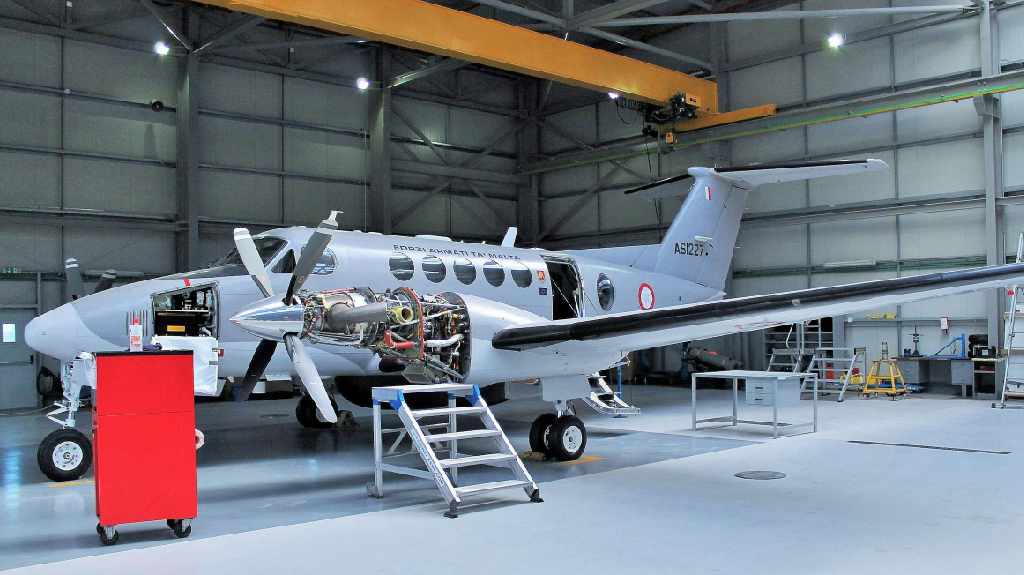
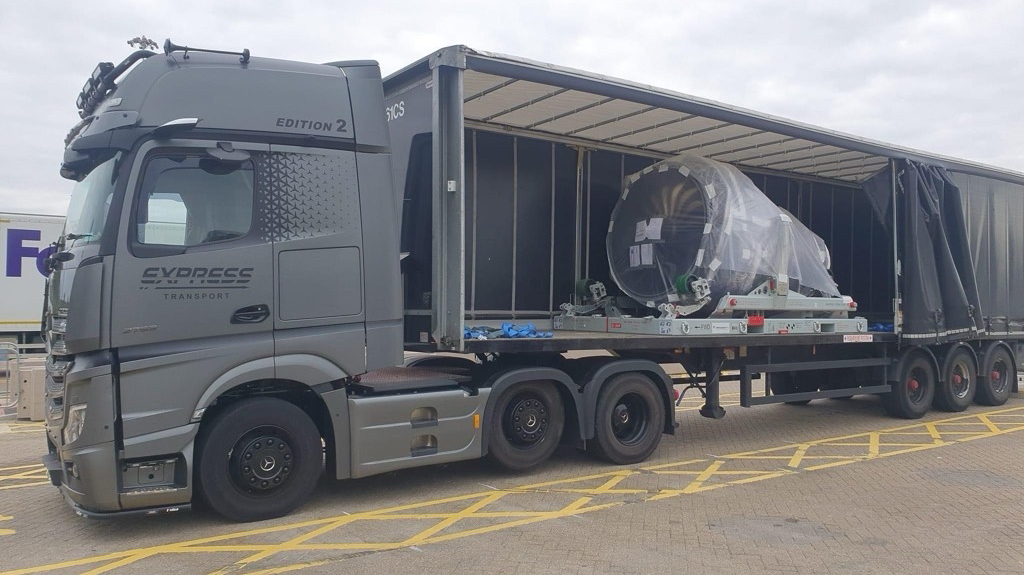
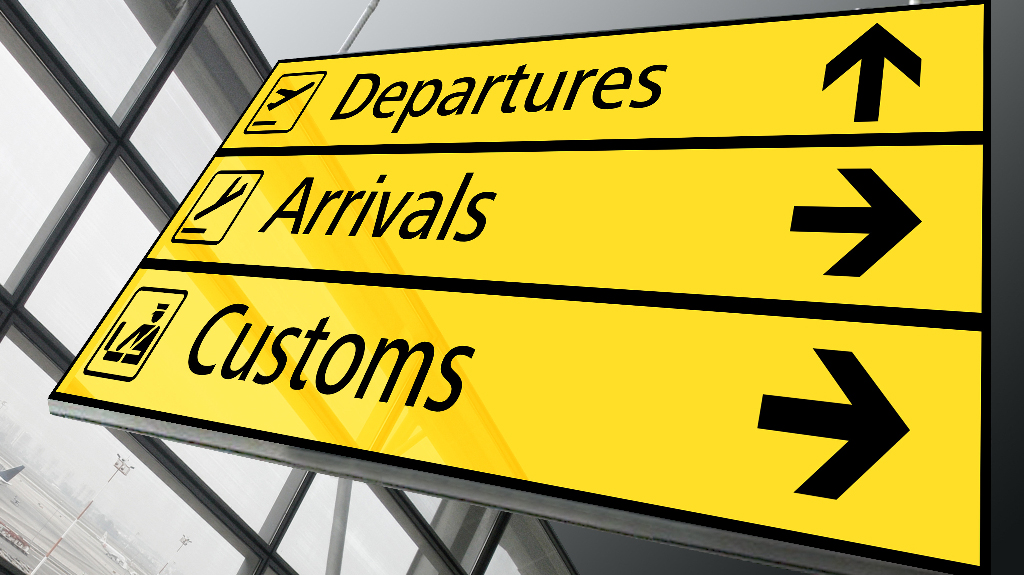
Aerospace and aviation customs clearance covers the customs processes required to move aircraft parts, components, tooling, and related equipment into and out of the UK. These shipments often require fast and accurate clearance at customs, supported by a correctly completed UK customs declaration, to avoid operational disruption. Because aviation goods are frequently high-value and time-critical, customs accuracy is essential.
In the customs clearance United Kingdom environment, aviation shipments are typically handled by an experienced customs clearance agent or customs agent UK with sector knowledge. Using a specialist broker customs provider helps ensure compliance with UK regulations, reduces delays, and supports consistent handling of urgent and regulated cargo. CustomsCloud supports aerospace and aviation customs clearance by providing structured declaration management, clear audit trails, and better visibility across complex aviation movements.
How Aerospace & Aviation Customs Clearance Works in the UK
Aerospace and aviation customs clearance in the UK begins with submitting a correct UK customs declaration for aircraft parts, components, or tooling entering or leaving the country. This declaration supports clearance at customs and must accurately reflect the goods, their value, origin, and intended use. Given the operational impact of delays in the aviation sector, customs processes are often handled on a time-critical basis, particularly for maintenance and operational requirements.
In the customs clearance United Kingdom framework, aviation shipments are typically managed by a specialist customs clearance agent or customs agent UK with experience in regulated and high-value goods. Working with a knowledgeable broker customs provider helps ensure declarations are submitted correctly, compliance requirements are met, and delays are minimised. CustomsCloud supports aerospace and aviation customs clearance by providing structured declaration management, clear audit trails, and visibility across UK aviation movements, helping businesses maintain control and compliance.
Aircraft Parts Delays, AOG Risks & Aviation Compliance Issues
Delays in aircraft parts shipments can have immediate operational consequences, particularly where an aircraft is grounded and requires urgent parts to return to service. In these situations, fast and accurate clearance at customs is critical, as any error in the UK customs declaration can result in parts being held, inspected, or queried. Aviation cargo is often high-value and time-sensitive, so even minor customs discrepancies can escalate into significant AOG disruption.
Within the customs clearance United Kingdom framework, compliance risks increase where declarations are incomplete, commodity codes are incorrect, or supporting documents do not align with the shipment. Working with an experienced customs clearance agent or customs agent UK, supported by a knowledgeable broker customs provider, helps reduce these risks and maintain continuity of operations. CustomsCloud supports aviation compliance by providing structured declaration management, audit-ready records, and visibility across time-critical aircraft parts movements, helping businesses manage AOG risk more effectively.
Use Cases (Aircraft Parts, AOG Support) & Why Use an Aviation Customs Specialist
Aviation customs clearance is most often required for aircraft parts, components, and tooling moving on a time-critical basis, particularly in AOG situations. These shipments depend on rapid clearance at customs, supported by an accurate UK customs declaration, to minimise aircraft downtime and operational disruption. Whether parts are imported for maintenance or exported for repair, speed and precision are essential within the customs clearance United Kingdom framework.
Using an aviation customs specialist ensures these movements are handled by an experienced customs clearance agent or customs agent UK with a clear understanding of aviation urgency and compliance requirements. A specialist broker customs provider helps reduce the risk of delays, documentation errors, or unnecessary inspections that could extend AOG events. CustomsCloud supports aviation customs specialists by providing structured declaration management, clear audit trails, and real-time visibility across aircraft parts and AOG support movements, helping businesses maintain control when time matters most.
Typical Import and Export Documentation Requirements
This section provides general guidance on commonly required import and export documentation and does not constitute legal advice. Requirements may change, and no liability is accepted for errors or omissions.
Commercial Invoice: The commercial invoice sets out the transaction details for aerospace or aviation goods, including the buyer, seller, goods description, value, currency, and incoterms. It provides the commercial context for customs clearance of aircraft parts, equipment, or tooling.
Packing List: A packing list details how aviation goods are packaged, including quantities, weights, dimensions, and contents. This supports accurate identification of parts and equipment moving through the supply chain.
Air Waybill or Transport Documentation: Transport documentation confirms how the aerospace or aviation goods are being moved and links the shipment to the relevant mode of transport. This helps identify the movement within the logistics process.
Part Numbers and Technical Specifications: Part numbers and technical specifications are used to clearly identify aircraft components, tooling, or equipment. This information supports classification and regulatory checks associated with aviation goods.
Certificate of Conformity or Airworthiness: Where applicable, certificates of conformity or airworthiness confirm that parts or equipment meet required aviation standards. These documents are often required for regulated aerospace items.
Proof of Ownership or End Use: Documentation confirming ownership or intended end use may be required, particularly for controlled or sensitive aviation goods. This helps demonstrate the commercial and operational context of the shipment.
Additional Supporting Documentation: Depending on the nature of the aerospace or aviation goods, further documentation may be required, such as maintenance records, approvals, or compliance evidence.
Frequently Asked Questions – General Guidance
These FAQs provide general guidance only and do not constitute legal advice. Requirements may vary by shipment, location, and regulation.
What is aerospace and aviation customs clearance? Aerospace and aviation customs clearance is the process of declaring aircraft parts, components, equipment, and related goods to customs authorities when they are imported or exported. These shipments often involve high-value, regulated, or time-critical items. Systems such as CustomsCloud help ensure aviation goods are declared accurately and in line with regulatory requirements.
What types of aerospace and aviation goods require customs clearance? Goods include aircraft parts and spares, engines, avionics, ground support equipment, tools, and materials used in manufacturing or maintenance. Many items are subject to export controls or licensing requirements. CustomsCloud helps keep classification and supporting documentation aligned for these specialised shipments.
What documents are required for aviation customs clearance? Typical documents include a commercial invoice, packing list, transport documents, and an import or export customs declaration. Licences, certificates, or regulatory approvals may also be required depending on the item. CustomsCloud helps organise and retain these documents, supporting smooth clearance.
How long does vehicle customs clearance in the UK take? Clearance times vary depending on documentation accuracy, vehicle type, origin, and whether additional checks apply. Delays often occur due to incorrect values or missing information. By improving data accuracy and record control, CustomsCloud helps reduce avoidable delays.
What are the main compliance risks in aerospace and aviation customs clearance? Risks include incorrect classification, missing licences, inaccurate valuation, or incomplete documentation. Given the regulatory nature of aviation goods, errors can lead to serious delays or penalties. CustomsCloud helps maintain structured records and audit trails, supporting compliance and faster issue resolution.
Aerospace & Aviation Customs Clearance – Contact Us
Aircraft parts and aviation-related goods often move under tight operational and regulatory controls. Our aerospace and aviation customs clearance services support manufacturers, operators, and MRO providers with compliant declarations for aircraft components, tooling, and time-critical movements. To discuss an aviation shipment or submit a request through a registered CustomsCloud account, contact our team on +44 208 754 9000 or email admin@customscloud.com
All quotations and estimates are indicative and may be adjusted based on final shipment details where applicable. Customers must hold an active, registered CustomsCloud account to submit requests and access services. It is the customer’s responsibility to ensure that all information provided is accurate, complete, and compliant with applicable regulations. Prices are reviewed periodically and may change without notice.
All services are provided in accordance with the British International Freight Association (BIFA) Standard Trading Conditions (latest edition), which are available upon request.”