What Is Automotive & Vehicle Customs Clearance (UK)
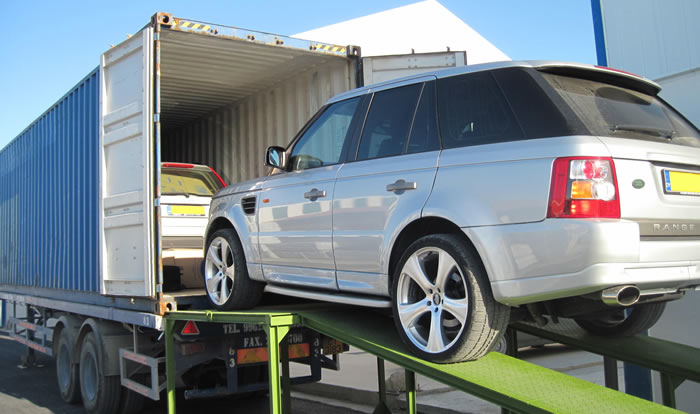
Automotive and vehicle customs clearance is simply the process that allows a car or vehicle to legally enter the UK. If you are importing a vehicle into the UK, customs clearance is what makes sure the paperwork is correct, the vehicle is declared properly, and HMRC requirements are met before it can be registered or used on the road.
This applies whether you are importing a car, importing a car to UK after buying it overseas, or importing a car from Europe to UK under post-Brexit rules. Each situation comes with specific customs steps, documents, and checks that need to be handled correctly to avoid delays or unexpected charges. CustomsCloud helps simplify automotive and vehicle customs clearance by keeping declarations, documents, and compliance records organised and easy to manage.
How Vehicle Import Customs Clearance Works in the UK
Vehicle import customs clearance in the UK begins when the vehicle arrives and is formally declared to HMRC. If you are importing a vehicle into the UK, a customs declaration must be submitted with details such as the vehicle’s value, origin, and reason for import. This allows HMRC to assess the import and confirm whether any taxes or further steps are required before the vehicle can be released.
After the declaration is accepted, additional actions may be needed depending on the circumstances. This can include NOVA notification, VAT checks, and providing supporting documents such as proof of purchase or ownership. Whether you are importing a car, importing a car to UK after buying it abroad, or importing a car from Europe to UK, getting the details right is essential to avoid delays. CustomsCloud helps keep the process organised by managing declarations, documents, and compliance records in one place.
Vehicle Import Errors, VAT & NOVA Compliance Risks
Vehicle import problems in the UK most often come down to incorrect or missing information. Errors can occur when importing a vehicle into the UK if the customs declaration is incomplete, the vehicle value is wrong, or supporting documents are missing. These issues can delay clearance and prevent the vehicle from being released or registered. VAT errors are also common, particularly where the wrong tax treatment is applied when importing a car or bringing a vehicle in from overseas.
NOVA compliance is another frequent risk area. Late or incorrect NOVA submissions can stop DVLA registration entirely, even where customs clearance has already been completed. This is especially common when importing a car to UK after purchase abroad or importing a car from Europe to UK under post-Brexit rules, where the process is often misunderstood. CustomsCloud helps reduce these risks by keeping customs declarations, NOVA records, and VAT information aligned, making vehicle imports easier to manage and less prone to costly delays.
Use Cases (EU & Overseas Vehicles) & Why Use a Vehicle Import Specialist
Vehicle import customs clearance is required for a wide range of situations, from private individuals bringing in a car they have purchased abroad to businesses moving vehicles for resale or operational use. This includes importing a vehicle into the UK from both EU and overseas markets, where customs rules, VAT treatment, and documentation can vary depending on the vehicle’s origin and history. These differences make the process more complex than many people expect.
A vehicle import specialist helps manage this complexity, whether you are importing a car, importing a car to UK after an overseas purchase, or importing a car from Europe to UK under post-Brexit requirements. A specialist ensures the correct customs declarations are made, VAT and NOVA obligations are handled properly, and delays are avoided. CustomsCloud supports vehicle import specialists by keeping declarations, documents, and compliance records organised, making EU and overseas vehicle imports smoother and more predictable.
Typical Import and Export Documentation Requirements
This section provides general guidance on commonly required import and export documentation and does not constitute legal advice. Requirements may change, and no liability is accepted for errors or omissions.
Vehicle Purchase Invoice or Bill of Sale: A purchase invoice or bill of sale confirms the transaction details for the vehicle, including buyer, seller, purchase price, and date of sale. This provides the commercial context for automotive and vehicle customs clearance in the UK.
Vehicle Registration Documents: Vehicle registration documents show how the vehicle is registered in its country of origin or prior registration state. These records help establish the vehicle’s history and status when entering the UK.
Proof of Ownership: Proof of ownership confirms that the individual or business importing the vehicle has the legal right to do so. This may include invoices, contracts, or registration records.
Proof of Identity: Identification documents may be required to verify the individual or organisation associated with the vehicle movement. This supports accurate processing of vehicle-related customs requirements.
Transport Documentation: Transport documents confirm how the vehicle has been moved to the UK, such as shipping, ferry, or haulage records. These link the vehicle to its method of arrival.
Vehicle Details and Specifications: Detailed vehicle information, including make, model, VIN, engine capacity, and fuel type, is required to support classification and regulatory checks.
Additional Supporting Documentation: Depending on the vehicle and circumstances, further documentation may be required, such as conformity evidence, compliance certificates, or supporting correspondence.
Frequently Asked Questions – General Guidance
These FAQs provide general guidance only and do not constitute legal advice. Requirements may vary by shipment, location, and regulation.
What is automotive and vehicle customs clearance in the UK? Automotive and vehicle customs clearance is the process of declaring vehicles, parts, and automotive equipment to HMRC when they are imported into or exported from the UK. It applies to cars, motorcycles, commercial vehicles, and automotive components. Systems such as CustomsCloud help ensure automotive shipments are correctly declared and compliant with UK customs requirements.
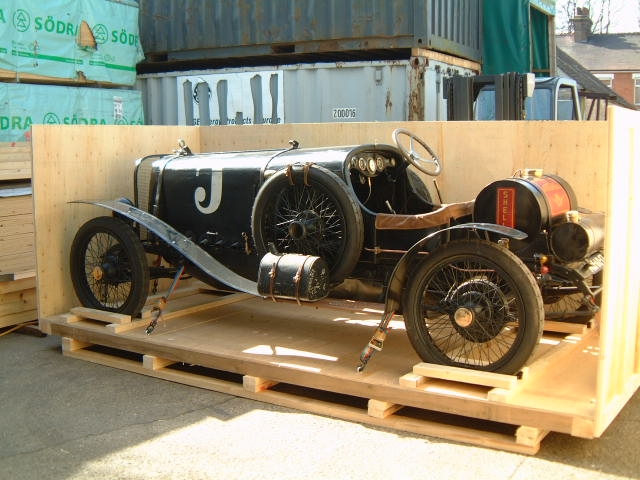
What types of vehicles and automotive goods require customs clearance? Customs clearance is required for complete vehicles, engines, spare parts, components, and specialist automotive equipment. This includes new and used vehicles, classic cars, and motorsport equipment. CustomsCloud helps manage classification and documentation across a wide range of automotive movements.
What documents are needed for automotive customs clearance? Typical documents include a commercial invoice or bill of sale, packing list where applicable, transport documents, and an import or export customs declaration. Additional documents may include proof of origin, licences, or NOVA-related information for vehicles. CustomsCloud supports document consistency and traceability across the clearance process.
How long does vehicle customs clearance in the UK take? Clearance times vary depending on documentation accuracy, vehicle type, origin, and whether additional checks apply. Delays often occur due to incorrect values or missing information. By improving data accuracy and record control, CustomsCloud helps reduce avoidable delays.
What are the most common issues that delay automotive customs clearance? Common issues include incorrect commodity codes, inaccurate vehicle values, missing VIN details, mismatched documents, or incomplete NOVA submissions. These issues can prevent release or registration. CustomsCloud helps maintain clear records and audit trails, making issues easier to resolve.
Automotive & Vehicle Customs Clearance (UK) – Contact Us
The movement of vehicles and automotive components into and out of the UK involves specific customs, duty, and tax considerations. Our automotive and vehicle customs clearance services support manufacturers, dealers, and private owners with compliant declarations and vehicle-related reporting requirements. To discuss an automotive shipment or submit a request through a registered CustomsCloud account, contact our team on +44 208 754 9000 or email admin@customscloud.com
All quotations and estimates are indicative and may be adjusted based on final shipment details where applicable. Customers must hold an active, registered CustomsCloud account to submit requests and access services. It is the customer’s responsibility to ensure that all information provided is accurate, complete, and compliant with applicable regulations. Prices are reviewed periodically and may change without notice.
All services are provided in accordance with the British International Freight Association (BIFA) Standard Trading Conditions (latest edition), which are available upon request.”