Specialist Liverpool Customs Clearance for Import and Export Shipments
How Customs Clearance Works at the Port of Liverpool
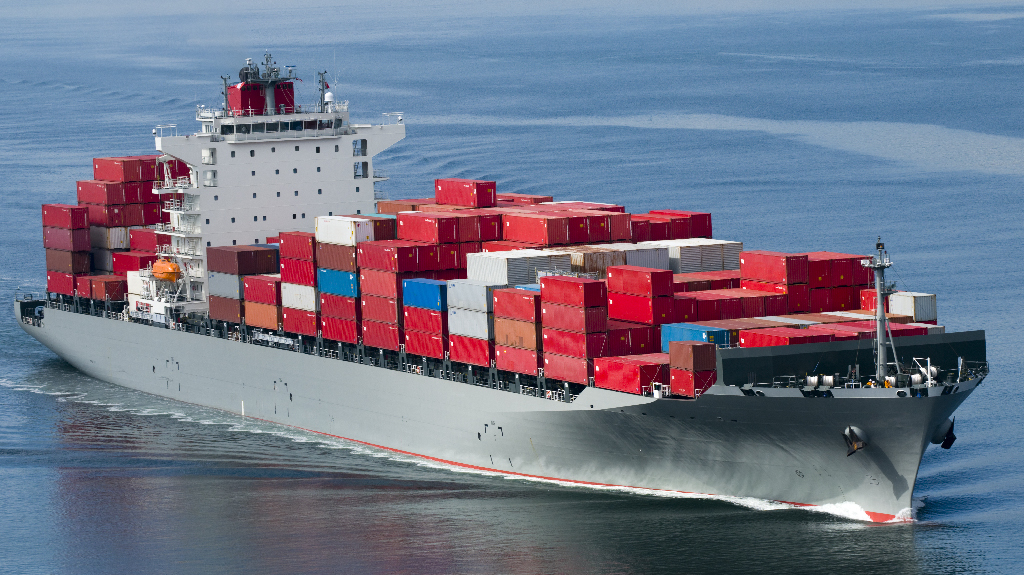
The Port of Liverpool is a major UK gateway for container, RoRo, and general cargo serving Atlantic, European, and domestic trade routes. When goods arrive, they remain under customs control within the port’s operating environment until clearance is completed. As the customs agent, we manage the clearance process directly, ensuring declarations are accurate, timely, and aligned with vessel schedules, cargo references, and onward transport to keep freight moving through a busy multi-cargo port.
We carry out customs clearances at Liverpool for commercial importers and exporters handling both inbound and outbound freight. Our role is to apply consistent declaration logic, correct valuation, and full documentary control across repeat movements and mixed cargo types. CustomsCloud provides structured visibility over declarations, cargo records, and audit history, giving customers control and predictability while enabling efficient clearance across containerised, RoRo, and general cargo operations at the port.
Types of Cargo Commonly Cleared at the Port of Liverpool (GBLIV)
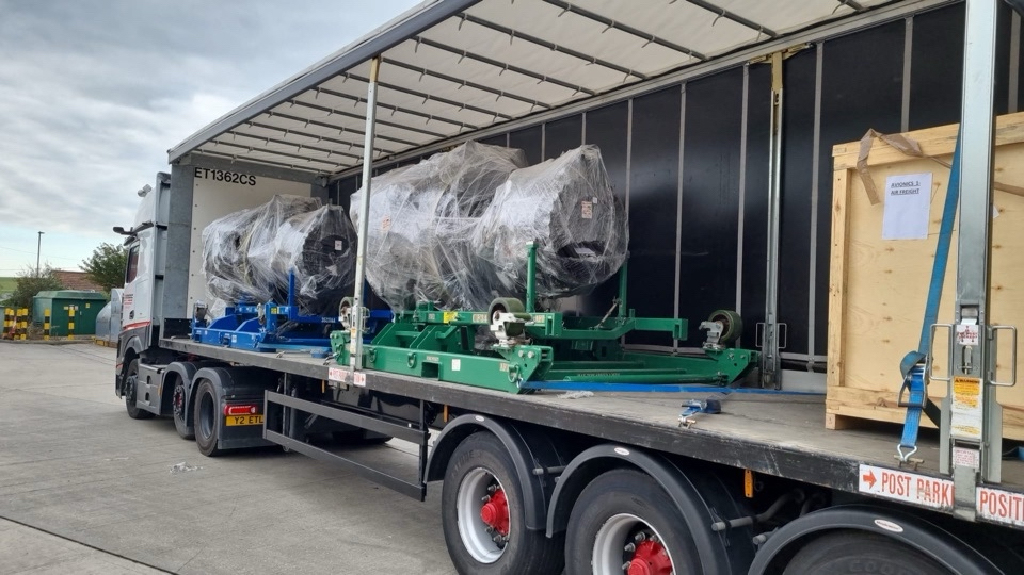
The Port of Liverpool handles a broad mix of commercial cargo across container, RoRo, and general cargo operations, reflecting its role as a multi-purpose UK gateway. Common cargo types include containerised retail and consumer goods, food and drink products, machinery and engineering equipment, automotive parts, chemicals, project cargo, and general merchandise moving on deep-sea and short-sea services. These shipments often arrive alongside diverse cargo profiles, making accurate and well-prepared customs declarations essential to maintain steady cargo flow through the port.
Liverpool also supports repeat commercial movements such as distribution stock, manufacturing inputs, export cargo for overseas markets, and contract freight operating on scheduled services. Managing this variety requires consistent declaration data, correct valuation, and clear alignment with vessel and cargo references across ongoing movements. CustomsCloud supports this by providing structured visibility over declaration history, cargo records, and audit information, allowing us to manage clearance efficiently and maintain control across mixed cargo streams in a busy port environment.
Container and RoRo Clearance Risks at the Port of Liverpool
The Port of Liverpool manages container and RoRo traffic side by side, which creates clearance risk when timing, data quality, or cargo sequencing slips. Common issues include late or incomplete submissions, container or trailer reference mismatches, valuation inconsistencies, and documentation that does not reflect how the cargo is presented at the terminal. In a mixed-operation port, these errors can lead to holds that disrupt vessel working plans, delay collections, and increase storage or quay-side handling costs.
Managing these risks effectively depends on preparation before arrival and consistency across repeat movements. Our approach focuses on early data checks, clear alignment between declarations and transport references, and disciplined handling of amendments when cargo details change. CustomsCloud supports this by providing structured visibility of live and historical declarations, references, and changes, allowing potential issues to be identified and resolved upstream rather than during terminal operations, where options are limited and delays escalate quickly.
Use Cases (Container and RoRo Cargo) & Why Use a Liverpool Customs Specialist
The Port of Liverpool supports a wide range of container and RoRo cargo moving on Atlantic, European, and short-sea routes. Typical use cases include containerised retail and consumer goods, manufacturing and engineering components, automotive parts, food and drink products, machinery, and RoRo freight moving on accompanied and unaccompanied trailers. These movements often involve mixed cargo profiles and tight onward delivery schedules, making accurate and well-timed customs clearance essential to keep freight flowing through the port without disruption.
Using a Liverpool customs specialist brings practical experience of managing clearance across both container and RoRo operations within a single port environment. We manage declarations with a focus on consistency across repeat movements, alignment with vessel and trailer references, and early resolution of data issues before arrival. CustomsCloud supports this by providing structured visibility of declarations, references, and historical records at a commercial level, helping container and RoRo cargo move through Liverpool predictably even during periods of high activity.
Typical Import and Export Documentation Requirements
This section provides general guidance on commonly required import and export documentation and does not constitute legal advice. Requirements may change, and no liability is accepted for errors or omissions.
Commercial Invoice: The commercial invoice sets out the transaction details for goods moving through the Port of Liverpool, including buyer, seller, goods description, value, currency, and incoterms. It provides the commercial context for deep-sea and short-sea cargo serving the North West and wider UK markets.
Packing List: A packing list details how goods are packed or unitised, including quantities, weights, dimensions, and contents. This supports identification of consignments handled across Liverpool’s container and general cargo terminals.
Bill of Lading or Sea Transport Documentation: Sea transport documents confirm carriage of goods by vessel and identify the shipper, consignee, vessel, and voyage. They link the cargo to maritime movements arriving at or departing from Liverpool.
Cargo or Commodity Description: Clear cargo or commodity descriptions help identify the nature of goods moving through the port, particularly for mixed consignments, bulk products, or containerised freight.
Container or Trailer Details: Where applicable, container numbers or trailer references identify individual units within the terminal, supporting accurate handling and release of cargo.
EORI Number: An EORI number identifies the trader within UK customs systems and is required for customs clearance activity associated with Port of Liverpool movements.
Additional Supporting Documentation: Depending on the cargo type and routing, further documentation may be required, such as compliance information, handling instructions, or supporting correspondence.
Frequently Asked Questions – General Guidance
These FAQs provide general guidance only and do not constitute legal advice. Requirements may vary by shipment, location, and regulation.
What types of freight are commonly cleared at the Port of Liverpool (GBLIV)? The Port of Liverpool handles a wide mix of containerised, roll-on roll-off (RoRo), bulk, and general cargo. Typical freight includes retail goods, consumer products, automotive parts, industrial equipment, chemicals, and manufacturing inputs serving the North West and wider UK supply chains. CustomsCloud helps ensure varied cargo moving through the Port of Liverpool is declared accurately and consistently.
How does customs clearance work at the Port of Liverpool? Customs clearance at the Port of Liverpool involves submitting import or export declarations to HMRC, linked to container, trailer, or vessel movements through the port. Declarations are often pre-lodged to support faster cargo release and onward distribution. CustomsCloud helps align shipping references, container data, and customs entries to support smooth processing at the Port of Liverpool.
What documents are required for customs clearance at the Port of Liverpool (GBLIV)? Standard documents include a commercial invoice, packing list, bill of lading or sea waybill, and an import or export customs declaration. Depending on the nature of the goods, additional documentation such as licences, proof of origin, or SPS paperwork may be required. CustomsCloud helps keep documentation organised and aligned ahead of arrival.
Is the Port of Liverpool suitable for container, RoRo, and deep-sea freight? Yes, the Port of Liverpool supports container, RoRo, and deep-sea services, making it a flexible gateway for both European and global trade lanes. Efficient customs processing is essential to avoid congestion and delivery delays. CustomsCloud supports data accuracy and visibility, helping reduce disruption across different cargo types.
What are the most common causes of customs delays at the Port of Liverpool? Delays commonly arise from incomplete or inaccurate documentation, incorrect commodity codes, valuation discrepancies, missing licences, or late submission of customs declarations. With multiple cargo types moving through the port, small errors can escalate quickly. CustomsCloud helps reduce these risks by maintaining structured records and clear audit trails.
Customs Clearance Liverpool – Contact Us
The Port of Liverpool supports deep-sea and short-sea trade across the Irish Sea and transatlantic routes, serving a wide range of commercial cargo moving into and out of the North West. Our team assists with customs clearance for shipments routed through Liverpool by managing declaration submissions and compliance requirements in line with port operations and vessel schedules. If you are planning a movement via the Port of Liverpool, our team can explain the clearance process and provide support through a registered CustomsCloud account by calling +44 208 754 9000 or emailing admin@customscloud.com
All quotations and estimates are indicative and may be adjusted based on final shipment details where applicable. Customers must hold an active, registered CustomsCloud account to submit requests and access services. It is the customer’s responsibility to ensure that all information provided is accurate, complete, and compliant with applicable regulations. Prices are reviewed periodically and may change without notice.
All services are provided in accordance with the British International Freight Association (BIFA) Standard Trading Conditions (latest edition), which are available upon request.”