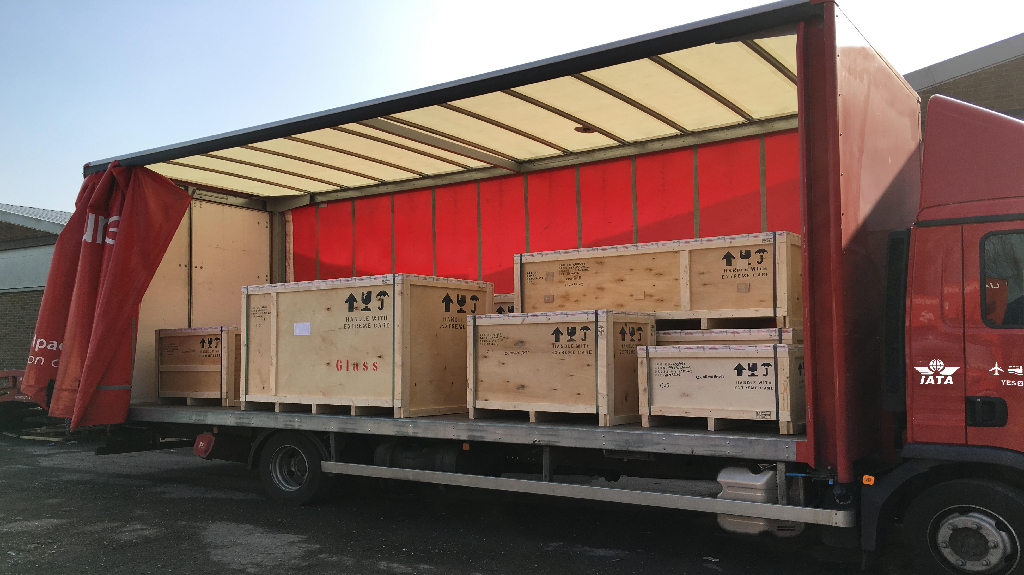
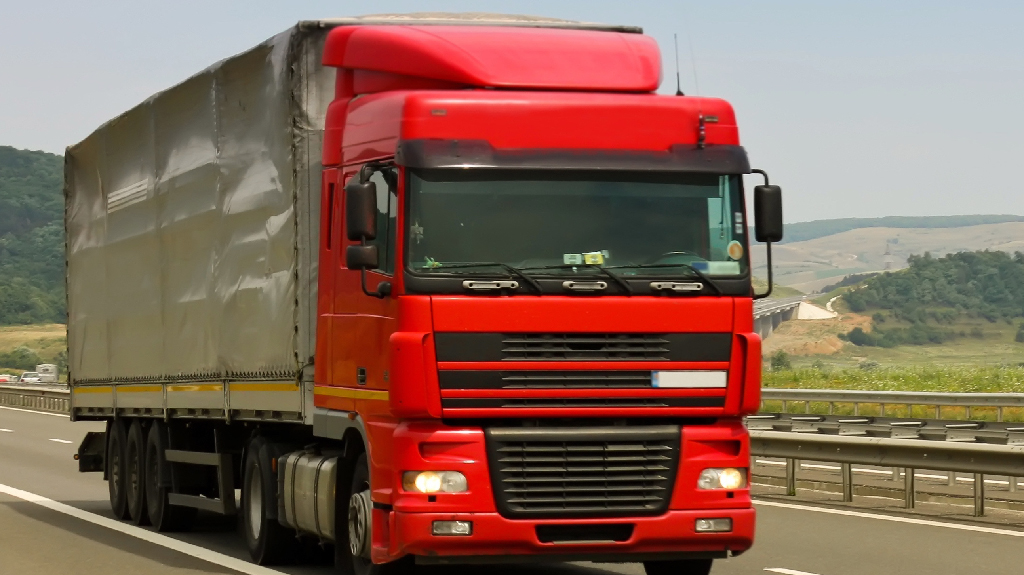
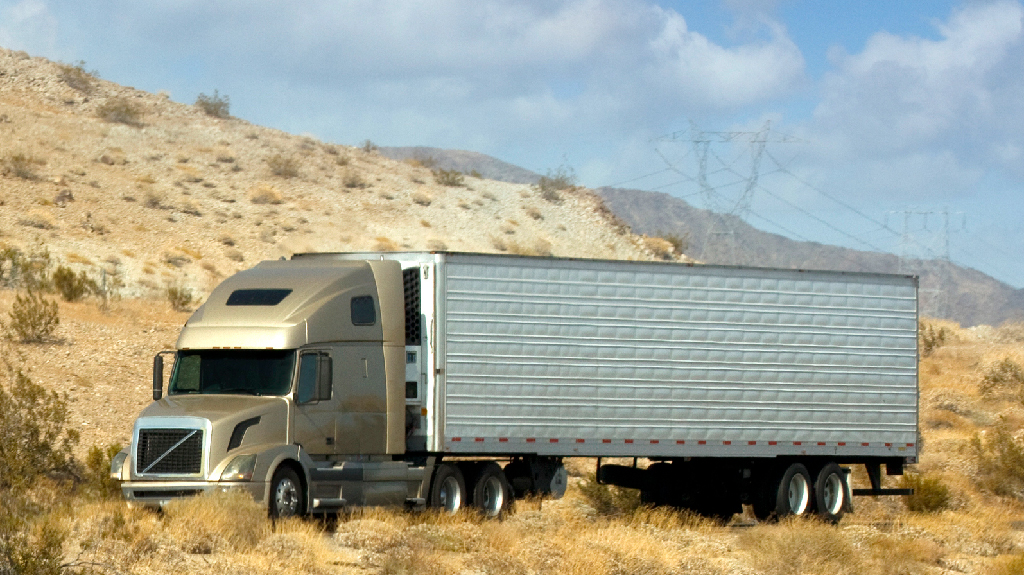
Road freight customs clearance is the process of declaring goods to HMRC when they are moved into or out of the UK by road. Road freight customs clearance ensures that commercial cargo travelling by lorry or trailer complies with UK customs regulations before crossing the border or being released inland. This includes the correct submission of import or export declarations, accurate commodity codes, valuation, origin details, and the correct application of customs procedures.
In practice, road freight customs clearance applies to both EU and non-EU movements and may involve transit processes, safety and security data, and border system requirements. Errors or late submissions can result in vehicles being held, missed crossings, or wider supply chain disruption. Using a structured system such as CustomsCloud helps businesses manage road freight customs clearance with better control, clearer audit trails, and reduced compliance risk across UK road borders.
UK–EU road movements are controlled through pre-lodged declarations and the UK’s Goods Vehicle Movement Service (GVMS), which links customs entries to the vehicle before it arrives at the border. Road freight customs clearance must be completed in advance, with accurate declaration data, vehicle details, and references correctly submitted so a Goods Movement Reference (GMR) can be generated. Without this, vehicles risk being stopped or turned away, particularly on high-volume crossings where dover customs clearance and customs folkestone checks are tightly enforced.
In practice, road freight customs clearance for UK–EU traffic is most visible at key gateways such as Port of Dover and Eurotunnel Folkestone. Many traders rely on a customs agent dover or specialist support familiar with folkestone customs procedures to ensure declarations align with GVMS requirements and border timings. CustomsCloud supports this process by centralising declaration data and documentation, helping businesses manage road freight customs clearance accurately and maintain smooth vehicle flows through Dover and Folkestone crossings.
GVMS is central to UK–EU border movements and directly affects road freight customs clearance. If declaration references are incorrect, incomplete, or not properly linked, a valid GMR cannot be generated, and the vehicle will not be permitted to cross. These failures are a common cause of delays linked to dover customs clearance and customs folkestone processes, where checks are automated and enforced before arrival at the border.
In practical terms, most border disruption occurs when road freight customs clearance is submitted late, amended after GMR creation, or does not match vehicle or trailer details. This is why many operators work with a customs agent dover who understands both GVMS rules and folkestone customs procedures at high-volume crossings such as Port of Dover and Eurotunnel Folkestone. CustomsCloud reduces these risks by centralising declaration data, maintaining clear audit trails, and ensuring road freight customs clearance information remains aligned with GVMS and GMR requirements before vehicles reach the border.
Use Cases (EU Imports, Groupage, Transit) & Why Use a Road Freight Customs Specialist
Road freight is commonly used for EU imports, groupage movements, and transit traffic, all of which depend on accurate road freight customs clearance to keep vehicles moving without disruption. Groupage and transit loads carry additional risk, as multiple consignments or transit references must align correctly within the same movement. Errors at this stage often surface at the border, particularly during dover customs clearance and customs folkestone checks, where mismatched data can prevent a GMR from being validated. Many businesses rely on a customs agent dover to manage these complexities, especially when dealing with consolidated loads or time-sensitive EU traffic. Specialist oversight of road freight customs clearance helps ensure that declarations, transit data, and GVMS requirements remain aligned with vehicle and trailer details, reducing delays at key gateways such as Port of Dover and Eurotunnel Folkestone. CustomsCloud supports this by centralising declarations and documentation, improving visibility across EU imports, groupage, and transit movements, and reducing the compliance risk associated with folkestone customs processes.
Typical Import and Export Documentation Requirements
This section provides general guidance on commonly required import and export documentation and does not constitute legal advice. Requirements may change, and no liability is accepted for errors or omissions.
Commercial Invoice: For road movements, the commercial invoice establishes the commercial basis of the shipment, identifying the parties involved, the nature of the goods, and the declared transaction value used for customs and fiscal assessment. Commodity codes are typically shown on the commercial invoice or referenced within the packing information.
Packing List: The packing list explains how goods are physically arranged within a vehicle or trailer, including cartons, pallets, weights, and dimensions, allowing border authorities to reconcile the declared load with the vehicle contents.
CMR Consignment Note: A CMR consignment note records the road transport contract between shipper, carrier, and consignee and accompanies the vehicle throughout its journey, forming a key document during roadside and border inspections.
Import or Export Customs Declaration: For road freight, the customs declaration formally records the legal movement of goods across the UK border and links classification, value, origin, and procedural data to the vehicle movement.
EORI Number: An EORI number identifies the party responsible for the customs entry within UK border systems and is required for road freight declarations to be submitted and processed correctly.
Proof of Origin: Proof of origin documentation may be required where trade agreements, regulatory conditions, or country-specific rules apply to goods moved by road.
Licences or Permits: Certain goods transported by road are subject to additional regulatory controls, meaning the relevant licences or permits must be in place before customs clearance can proceed.
Transit Documentation: Where goods are moving onward under customs control, transit documentation such as a T1 may be required to allow road movements without immediate payment of duties.
Additional Supporting Documentation: Depending on the nature of the goods, further documents may be required, including technical details, compliance statements, or regulatory approvals linked to the cargo.
Frequently Asked Questions – General Guidance
These FAQs provide general guidance only and do not constitute legal advice. Requirements may vary by shipment, location, and regulation.
What documents are required for road freight customs clearance in the UK? Road freight customs clearance typically requires a commercial invoice, packing list, and an import or export customs declaration. Transport details such as vehicle and trailer information may also be required, along with an EORI number, proof of origin, licences or permits, and supporting documents where applicable. CustomsCloud helps identify the exact documentation needed for each road movement and ensures all required data is captured before submission.
Why are the commercial invoice and packing list critical for road freight movements? The commercial invoice provides the valuation, incoterms, and classification information used by customs to assess duties and compliance. The packing list explains how goods are loaded and structured, supporting inspection and reconciliation at the border. CustomsCloud keeps these documents aligned with the customs declaration, reducing mismatches that commonly cause road freight delays.
How do transport details affect road freight customs clearance? Accurate transport details are essential for road freight, including vehicle registration, trailer references, and route information. These details help link the customs declaration to the physical movement of goods across the border. CustomsCloud captures and validates transport information alongside the declaration, helping ensure smooth border processing and reducing the risk of clearance issues.
When are EORI numbers, licences, or proof of origin required for road freight shipments? An EORI number is mandatory for any business or individual interacting with UK customs systems. Licences or permits apply to controlled or restricted goods, while proof of origin may be required to support trade agreements or regulatory controls. CustomsCloud helps confirm these requirements early, giving businesses clarity before goods are dispatched by road.
What additional documents might be requested during road freight customs clearance? Depending on the nature of the goods, customs may request additional documents such as conformity certificates, safety data sheets, regulatory approvals, or technical specifications. Clear transport or shipping instructions may also be required to support the declaration. CustomsCloud centralises all supporting documentation, creating a clear audit trail and enabling fast responses to customs queries.
Road Freight Customs Clearance – Contact Us
Our road freight customs clearance services support goods moving by truck into and out of the UK, including accompanied, unaccompanied, and transit movements. We assist with compliant declarations, border processes, and documentation checks to help avoid delays and keep consignments moving smoothly through road entry points. To discuss your shipment or submit a request via a registered CustomsCloud account, contact our team on +44 208 754 9000 or email admin@customscloud.com
All quotations and estimates are indicative and may be adjusted based on final shipment details where applicable. Customers must hold an active, registered CustomsCloud account to submit requests and access services. It is the customer’s responsibility to ensure that all information provided is accurate, complete, and compliant with applicable regulations. Prices are reviewed periodically and may change without notice.
All services are provided in accordance with the British International Freight Association (BIFA) Standard Trading Conditions (latest edition), which are available upon request.”